In Stock
Thoroughly inspected twin-cage construction elevators engineered for high-rise residential complexes in Bucharest and industrial logistics corridors in Timișoara.
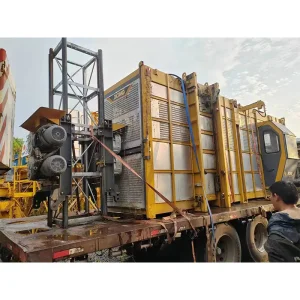
How the National Recovery and Resilience Plan (PNRR), commercial hub developments, and infrastructural urbanization dictate equipment requirements across Romanian job sites.
Romania represents one of the most vibrant construction arenas in Eastern Europe. The accelerated urbanization in Bucharest-Ilfov, combined with burgeoning tech and industrial hubs like Cluj-Napoca, Timișoara, Brașov, and Iași, has spurred a massive demand for mid-to-high-rise residential complexes and Grade-A logistics parks. Vertical logistics on these sites have historically relied on leased or older Western European machinery that carries steep daily rental charges and aging electrical controls. Romanian general contractors face narrow project margins, making the procurement of verified second-hand rack-and-pinion construction hoists a strategically sound, capital-efficient alternative.
Furthermore, major infrastructure overhauls—partially financed by over €29 billion from the EU Recovery and Resilience Facility—have placed unprecedented pressure on local engineering contractors. Construction hoists with heavy load capacities (typically 2,000 kg per cage) are essential not only for transporting brickwork, drywall, and structural glass but also for ferrying certified workforces rapidly across 20- to 40-story facades under strict labor safety regulations.
Machinery shipments out of East China (Shanghai/Taicang) route directly through the Suez Canal to the Port of Constanța. This enables Romanian importers to consolidate full-container loads of mast sections, tie-in collars, and cable trolley assemblies with minimal intermediate transshipment delays.
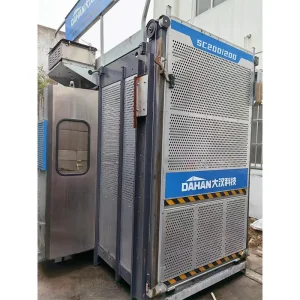
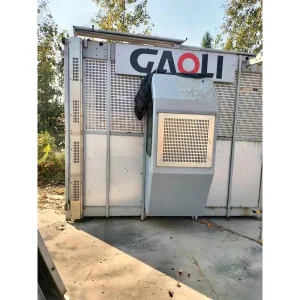
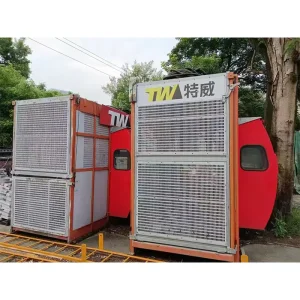
Purchasing tier-1 late-model Chinese construction hoists (such as Gaoli, Dahan, and Tewei, YOM 2019–2023) eliminates the massive depreciation penalty of brand-new European units while delivering equivalent mechanical reliability, safety interlocks, and hoisting speeds.
Romanian lifting safety requires compliance with ISCIR (State Inspection for the Control of Boilers, Pressure Vessels, and Hoisting Equipment) guidelines. Our exported units are checked against EN 12159 standards, with factory nameplates, weld non-destructive testing, and safety-device calibration logs included.
Combining national second-level operating qualifications, a 30+ acre testing facility, and an exhaustive 128-point pre-shipment certification protocol.
Top Chinese hoist manufacturers utilize high-grade Q345B manganese steel for main chord tubes, robotically welded and dip-galvanized. This delivers structural resistance against harsh Romanian winters, freezing rain, and high wind-shears along the Carpathian mountain corridors.
Our stocked SC200/200 units feature variable frequency drive (VFD) systems from Schneider, ABB, or Inovance. VFD ensures smooth start/stop curves, protects mechanical gearboxes, cuts peak current draws on site power networks, and eliminates passenger jolting.
Chinese SC-series components share standard European-compatible dimensions (standard 650×650×1508 mm mast modules, module 8 racks, and standard drive roller assemblies), allowing Romanian fleet operators to service hoists easily using widely accessible spare parts.
From visual non-destructive weld testing in Jiangsu to customs clearance in Constanța, here is how our full-lifecycle supply chain protects contractor balance sheets.
Cross-border heavy equipment purchases demand uncompromising transparency. Our export management system follows a rigorous 4-step governance blueprint:
1. Structural Integrity & Thickness Testing: Ultrasonic thickness testing on tubular mast chords to verify zero corrosion thinning. Detailed visual and magnetic particle inspection across high-stress welds on cage suspension arms, gear mounting plates, and tie-in brackets.
2. Mechanical Drive & Progressive Safety Brake Recalibration: The SAJ series anti-fall safety device is tested and matched with recalibration documentation. Pinion gears, rack teeth backlash, electromagnetic motor brakes, and helical gearboxes are thoroughly overhauled or replaced if wear exceeds OEM service tolerances.
3. Electrical Inverter & Limit Switch Upgrades: Replacement of aged contactors, moisture-resistant sealing of junction boxes, and installation of dual-redundancy door interlocks, weight sensors, and top/bottom limiters to meet EU machine directive benchmarks.
4. Export Dismantling & Container Lashing: Mast sections, tie-in frames, cage enclosures, and cable trollies are numbered and systematically lashed into 40ft High Cube containers or open-top units with anti-corrosion marine oil coating to endure maritime humidity during ocean transport.
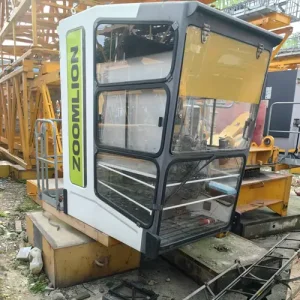
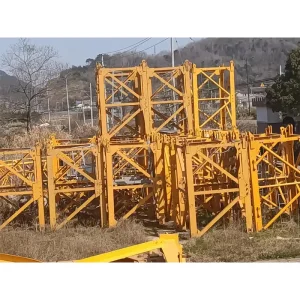
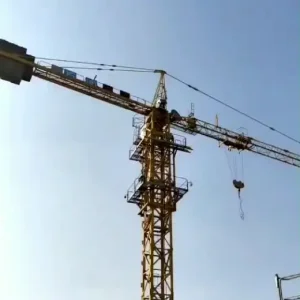
Explore our active stock of OEM lifting equipment—each machine includes original serial documentation, factory nameplates, and pre-loading test videos.
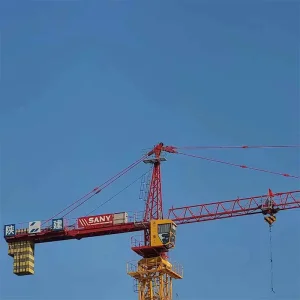
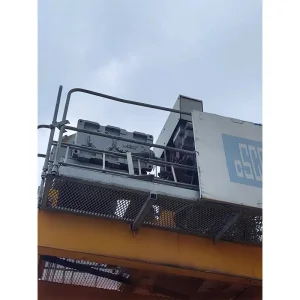
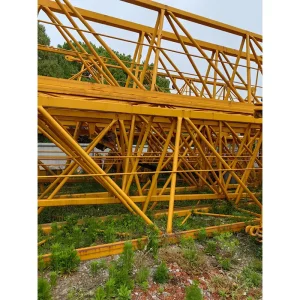
Direct answers addressing technical certification, customs clearance, shipping transit times, and on-site assembly.
Get a direct yard-to-port quote including freight, insurance, and comprehensive inspection files.