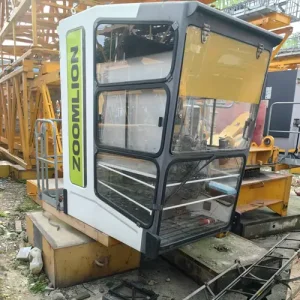
ZOOMLION Engineering
View Specifications
Pre-inspected hydraulic articulated mobile hoists and high-capacity construction systems ready for multimodal international deployment.
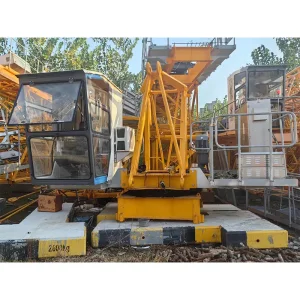
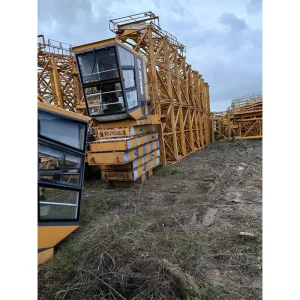
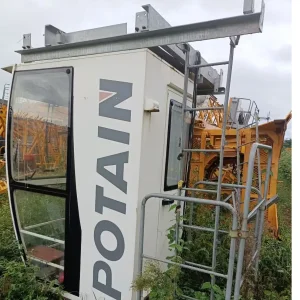
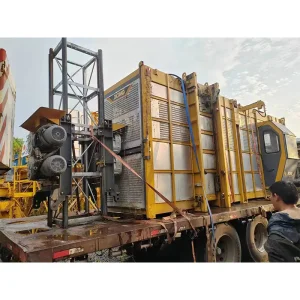
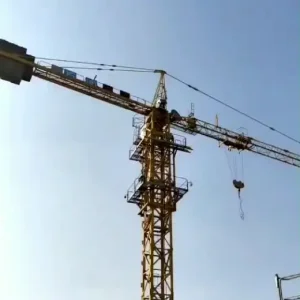
In the modern manufacturing, civil infrastructure, and heavy mechanical maintenance sectors, lifting apparatus must balance intense duty cycles, dynamic site mobility, and strict safety ergonomics.
Global automotive assembly hubs and service depots demand rapid-deployment engine floor cranes. Multi-position boom arms allow engineers to hoist EV battery sub-assemblies and turbodiesel powertrains with sub-millimeter landing accuracy without taking up fixed floor space.
Modern plant managers prioritize foldable structural footprints. By collapsing legs and locking hydraulic cylinders, maintenance crews transport high-tonnage hoists through standard industrial elevators, tight utility mezzanines, and congested refinery corridors effortlessly.
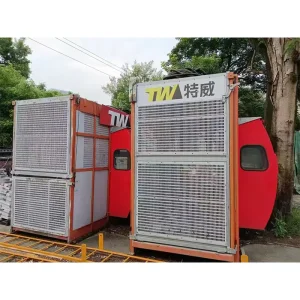
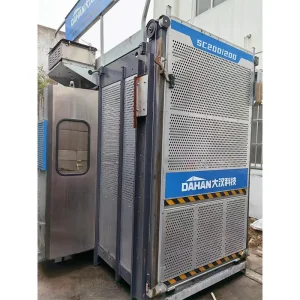
On high-density high-rise jobsites, secondary hoisting equipment is vital. Articulated floor cranes and compact material hoists bridge the functional gap between primary tower cranes and localized rigging, reducing overhead crane queue times by over 40%.
Analyzing structural dynamics, metallurgic composition, and hydraulic circuits to mitigate occupational risks and maximize lifting longevity.
Suppliers integrate dual-action manual hydraulic cylinders that elevate the unloaded boom to maximum extension height in 60% fewer strokes. Integrated bypass check-valves prevent over-pressurization during peak load seating.
By simulating dynamic load displacement under maximum extension arm limits, modern hoist chassis eliminate shear stresses at the hinge pins. Box-channel leg sections resist torsional warping during uneven surface traversal.
Critical mechanical stops prevent accidental descent during extended engine suspension. Micro-metering valve dials provide smooth, millimeter-by-millimeter descent controls, ensuring flawless powertrain seating.
The convergence of electro-hydraulic power, telematics, and intelligent safety systems is redefining mobile and tower hoisting equipment.
Integrated Bluetooth & CAN-bus load telemetry that triggers audible visual alarms on mobile devices when exceeding safe working angles or rated tipping weights.
Adoption of aerospace-grade composite telescoping booms to reduce deadweight by 35% while increasing maximum cantilever deflection resistance by 50%.
Transition from manual oil-pumping systems to whisper-quiet, battery-powered electro-mechanical servos, eliminating hydraulic oil leaks in sterile assembly cleanrooms.
Gyro-stabilized motorized castors and sensor-guided chassis leveling, preventing tip-over disasters across inclined industrial yards and uneven concrete slabs.
How leading logistics hubs, regulatory authorities, and supply chain constraints shape enterprise procurement decisions worldwide.
Stringent fleet liability rules require American contractors to source hoists featuring certified overload bypasses, anti-tamper valves, and verifiable manufacturer nameplates detailing load-radius curves.
CE marking compliance mandates EN 1494 certification for mobile floor jacks and cranes, demanding rigorous dynamic fatigue testing to 110% of rated capacity and static testing to 125%.
With infrastructure investments expanding across the Gulf and ASEAN corridors, buyers prioritize high-temperature hydraulic fluids, dust-sealed cylinder scrapers, and salt-mist corrosion resistance for maritime sites.
Overseas procurement requires absolute operational transparency. Every hoist, crane section, and mechanical linkage leaves our 30+ acre facility with full chain-of-custody verification.
Non-destructive ultrasonic weld inspection, cylinder chrome thickness profiling, seal pressure hold audits, and chassis alignment checks are fully completed, photographed, and archived prior to container lashing.
Precision hydraulic rams and mechanical connection pins are treated with vapor corrosion inhibitor (VCI) shrink wrap, packed into robust sea-worthy steel crates, and secured against long maritime transit vibrations.
Direct supply contracts, verified Certificates of Origin (CO, Form E), complete component manifests, factory test logs, and third-party inspection dossiers (SGS/TÜV upon request) ensure seamless port clearance worldwide.
Essential guidance on hydraulic selection, structural load factors, OEM authenticity, and overseas delivery timelines.
Stability depends on counter-moment geometry and the leg spread configuration. High-grade industrial hoists use outrigger spread widths that exceed the center-of-gravity displacement curve, secured by heavy-gauge steel locking pins that prevent inadvertent chassis convergence.
Every hydraulic system undergoes a continuous static load-hold test for 60 minutes at 125% of rated tonnage to detect cylinder seal leakage, followed by dynamic slewing and descent control validation using calibrated test weights in accordance with ISO 4301 and EN 1494 standards.
Our heavy equipment units and secondary hydraulic assemblies incorporate standardized metric Parker or NOK hydraulic seal geometries. Industrial MRO clients can obtain exact OEM seal replacements locally or via our expedited air-freight parts delivery service.
Stock units within our 30+ acre facility undergo inspection and custom containerization within 5 to 7 business days. Containerized sea freight to European, North American, or Middle Eastern ports generally spans 18 to 35 days, with door-to-port or CIF shipping terms fully supported.
Explore our certified inventory of commercial passenger-material hoists and high-capacity self-erecting tower cranes ready for international delivery.
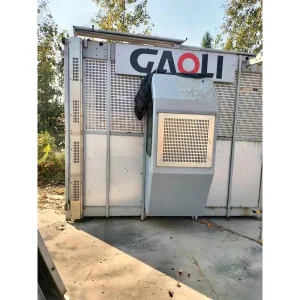
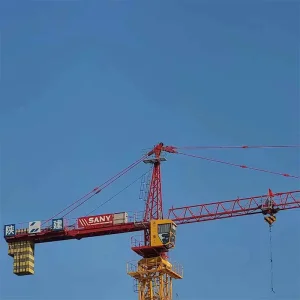
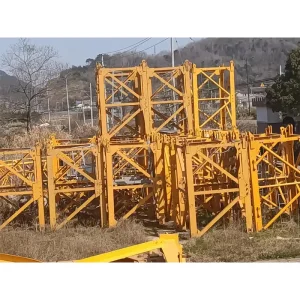
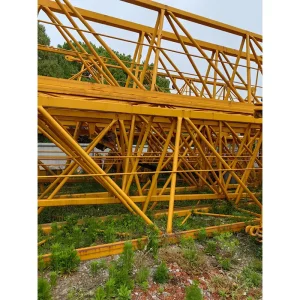
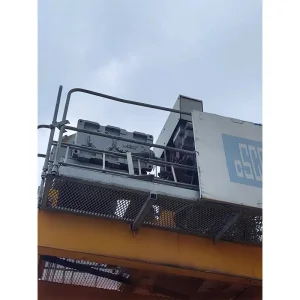
Acquire verified equipment dossiers, YOM nameplate telemetry, complete ultrasonic test certifications, and customized maritime shipping quotes.
Inquire for Specifications & Stock Dossiers