Factory-tested, non-destructive weld tested (NDT), and calibrated heavy lifting mechanisms ready for dispatch to major world ports.
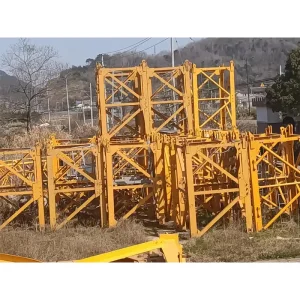
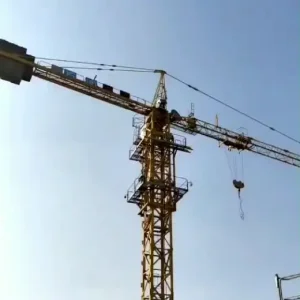
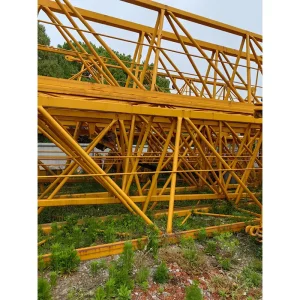
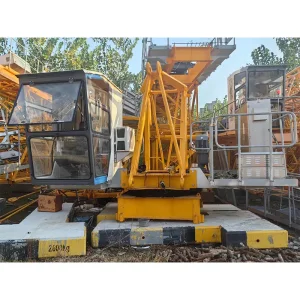
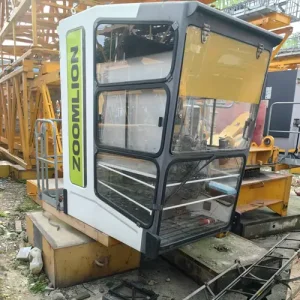
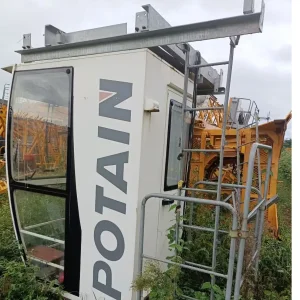
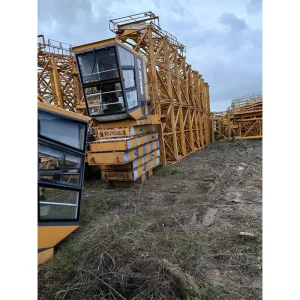
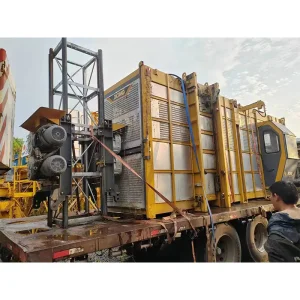
Navigating modern project constraints requires heavy hoisting solutions that eliminate downtime without inflating Capex. The Chinese mobile derrick ecosystem combines scale, metallurgical precision, and rapid modular adaptation.
By leveraging standardized structural steel profiles (Q345B/Q355B high-tensile alloys) and domestic manufacturing synergy, Chinese manufacturers produce derrick units at 35–45% lower capital cost compared to Western counterparts, with zero compromise on ultimate moment tolerances.
Factory configurations feature integrated variable frequency drive (VFD) hoisting engines from Schneider, ABB, or domestic market leaders. Redundant electro-hydraulic brakes ensure precise millimetric load control under harsh industrial conditions.
Export yards like Huaian Zhongqiang apply magnetic particle testing on slewing bearing rings and ultrasonic flaw detection on mast pinholes, ensuring used machinery delivers equivalent lifespan to newly commissioned equipment.
Unlike conventional crawler cranes or heavy static tower units, mobile derrick cranes unlock high hoisting capacity across confined and structurally restricted footprints.
When primary tower cranes reach project completion, internal climbing derrick configurations anchor directly into elevator shafts or core walls to systematically dismantle heavy jibs without ground-level traffic closures.
Cable-stayed bridges and deep caissons demand high tipping moments in restricted surface footprints. Derrick assemblies anchor to reinforced concrete pylons, operating reliably despite intense lateral riverfront or maritime winds.
Confined refinery turnaround jobs require lifting heavy catalyst vessels and columns within operational cracking facilities. Derrick cranes distribute foundation loads across spreader beams, protecting critical underground pipelines.
| Operational Parameter | Static Derrick Mast | Mobile Rail Derrick | Conventional Topkit Tower |
|---|---|---|---|
| Base Footprint Impact | Ultra-Low (Anchored/Bolted) | Linear Track Profile | Substantial Foundation Slab |
| Max Load Moment | 160 – 400 t·m | 200 – 630 t·m | 100 – 350 t·m |
| Disassembly Logistics | Modular (Components < 2.5t) | Segmental Bogie Dismantling | Requires Auxiliary Mobile Crane |
| Relocation Flexibility | Fixed Pin Connections | Continuous Rail Travel | Fixed Vertical Climbing |
Procurement managers across North America, the Middle East, and Southeast Asia face elongated OEM lead times. Second-hand certified derrick and tower units solve this challenge with immediate site dispatch.
Procuring new heavy derrick cranes frequently entails 6–9 months of lead time. Zhongqiang stocks late-model OEM configurations (YOM 2018–2023) ready for containerized lashing and shipping within 14 business days.
Every structural member includes material test certs, full mill records, and photographic tracking of disassembled pin connectors, counter-jib segments, and winch drums to streamline customs release.
Winch gears, motor coils, and control cabinets are vapor-sealed, wrapped in anti-corrosive films, and secured in dry containers, while chord structures receive structural bracing to resist transit stress.
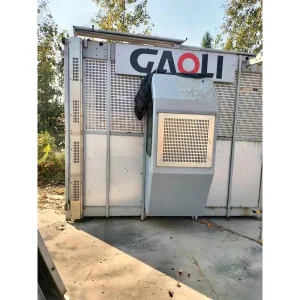
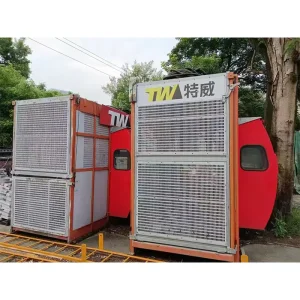
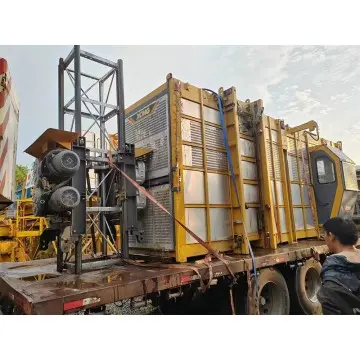
Secondary staging units verified for immediate sea freight packaging, container stowage, or flat-rack deployment.
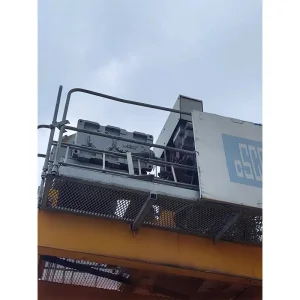
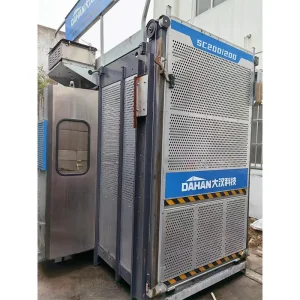
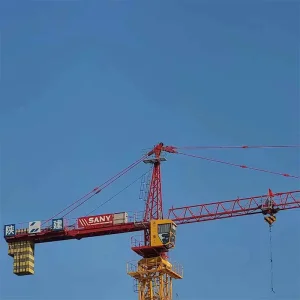
Actionable answers to help engineering directors and project executives evaluate second-hand, cheap derrick crane imports.