YOM 2019-2023
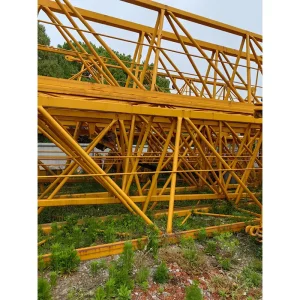
Pre-tested, fully calibrated lifting and vertical transport systems verified by Chinese National Level-2 testing regimes. Instant dispatch to over 50 global deepwater ports.
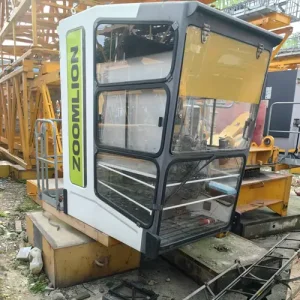
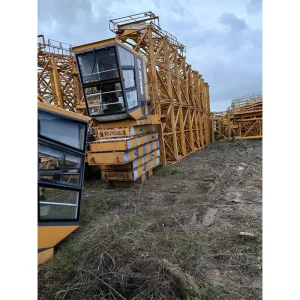
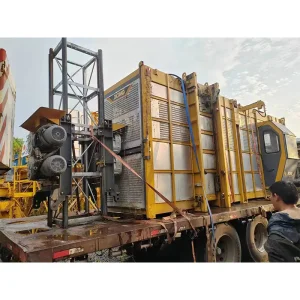
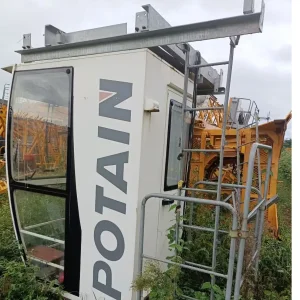
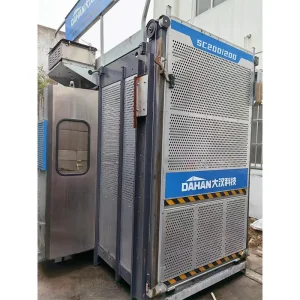
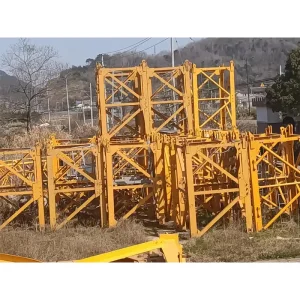
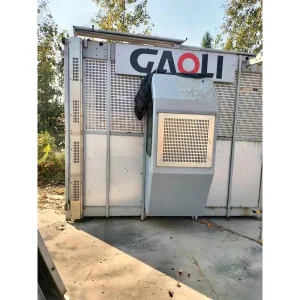
As infrastructure complexity intensifies across metropolitan high-rises, mining installations, and renewable energy wind corridors, the demand for versatile excavator cranes and modular hoisting systems has triggered a paradigm shift in international capital expenditure allocations.
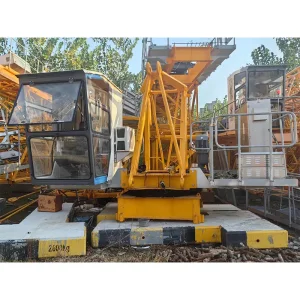
Excavator cranes—incorporating tracked base mobility with telescopic boom lifting dynamics—bridge the gap between earthmoving and precision lifting. They eliminate secondary mobile crane rental costs in restricted quarrying and deep utility excavation jobs.
Tier-1 European and North American manufacturers have pushed new machinery pricing upward by 35% to 55% post-2020 due to domestic energy surcharges and localized supply friction, forcing general contractors to seek vetted second-hand alternatives.
China's centralized manufacturing bases maintain massive reserves of late-model (YOM 2018–2023) equipment. Sourcing directly through qualified refurbishment factories yields equipment with 85%+ structural life expectancy at roughly half the original capital cost.
The perception that 'cheap' implies structural inferiority is obsolete. In the high-tonnage lifting arena, Chinese manufacturing efficiency stems from hyper-dense industrial clusters, specialized remanufacturing processes, and high-velocity trade turnarounds.
Over 70% of world crane parts are milled within an 80-kilometer radius of our Huai'an yard. From slewing ring bearings to high-tensile chord pins, parts replacement costs are a fraction of overseas retail rates.
Refurbishment isn't simply cosmetic repainting. Every crane undergoes complete teardown of planetary gearboxes, ultrasonic flaw testing on high-stress weld junctions, and dynamic testing under certified load conditions.
Our enterprise operations hold legitimate Chinese National Level-2 qualifications for lifting equipment installations, verifying that every re-engineered unit meets both national GB5144 and international ISO 4301-1 safety parameters.
Operating our own 30+ acre facility in Huai'an eliminates intermediaries. Buyers communicate directly with structural engineers and logistics specialists, driving transactional overhead to zero.
Choosing the right lifting typology defines project speed, wind load resistance, and site footprint. Review our comparative engineering matrix before making purchasing decisions.
| Equipment Typology | Standard Load Moment | Working Radius | Mobility & Setup Time | Key Industrial Applications |
|---|---|---|---|---|
| Excavator Crane Hybrids | 80 – 180 t·m | 12 – 28 meters | Rapid Self-Propelled (1 hr setup) | Pipe-laying, foundation drilling, shallow quarries, trench bridging. |
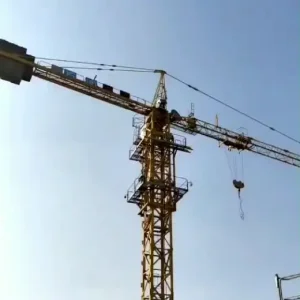
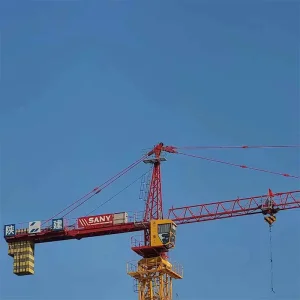
| Topkit Tower Crane (QTZ Series) | 100 – 315 t·m | 50 – 75 meters | Stationary Foundation (2–4 days) | High-rise residential, bridge piers, long-duration civil construction. |
| Flat-Top Cranes (Yongmao STT) | 150 – 500 t·m | 60 – 80 meters | Modular Mast Erection (1–3 days) | Multi-crane interference sites, precast concrete modular buildings. |
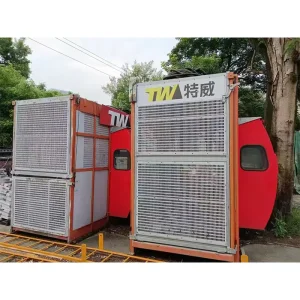
| Twin-Cage Hoists (SC200/200) | 2 × 2,000 kg Payload | Vertical (up to 450m) | Attached to Building Facade | Personnel hoisting, interior finishing materials, high-speed cargo delivery. |
Certified Chinese lifting gear performs in every climatic extreme: from the high-salinity marine environments of Southeast Asia to sub-zero high-altitude developments across Central Asia and the Americas.
Models like the SANY QTZ100 and Zoomlion QTZ200 provide tight slewing tail clearances and ultra-fine micro-motion hoisting, making them ideal for high-density downtown infill projects with zero room for oversized outriggers.
Excavator crane hybrid rigs with reinforced undercarriages navigate uneven, blasted bedrock to lift crushing plant components, assemble conveyor belts, and clear heavy blockades without requiring flat, compacted ground.
High-tonnage Potain MC320 and Zoomlion QTZ250 variants feature high anti-corrosion marine epoxy coatings, anti-condensation motor heaters, and heavy-capacity winches for precast caisson placement and dry-dock maintenance.
The second-hand lifting equipment market is no longer purely mechanical. Chinese factory hubs integrate digital sensor suites, anti-collision zoning algorithms, and electric power packs into legacy frames.
Real-time stress analysis monitors the crane tower head and mast junction chords, transmitting live structural fatigue telemetry to site engineering teams.
Refurbishment lines now accommodate grid-tied electric conversions, replacing diesel generator systems with permanent magnet synchronous motors that cut operating costs by up to 45%.
Factory-retrofitted multi-crane cooperative zone algorithms automatically throttle slewing operations whenever overlapping jib vectors are detected on cramped sites.
Overseas buyers log directly into high-definition digital cameras and optical load-cell monitors to oversee real-time testing right on our Huai'an yard before signing off on shipment.
Every piece of equipment that passes through the Huaian Zhongqiang engineering yard undergoes extensive structural and functional verification before receiving export clearance.
Mast chords, slewing rings, and jib pin connections are scanned using high-frequency ultrasonic flaw detectors (UT) and magnetic particle testing (MT) to confirm zero subsurface fatigue microcracks.
Precision dial indicators assess axial rocking clearance on the slewing ring. If wear exceeds 0.25mm against original factory tolerances, the entire slewing ring assembly is replaced with an OEM-certified part.
Moment limiters, maximum load cutouts, hoist travel limiters, and emergency drop-arrest systems are calibrated using digital load cells, ensuring immediate trip activation within a 2% variance.
Smart B2B procurement compares lifetime return on invested capital (ROIC) rather than just initial purchase quotes. Here is how directly sourced Chinese machines perform over a standard 5-year project lifecycle.
A brand-new European 12-ton tower crane typically involves an initial procurement outlay of $420,000–$550,000 USD, accompanied by long factory build times of 16 to 28 weeks. In contrast, an inspected YOM 2020–2022 Zoomlion or Potain crane sourced directly from our Huai'an facility ranges between $65,000 and $115,000 USD, with immediate dispatch.
With standard preventative maintenance, structural longevity easily extends 10 to 15 years. This capital efficiency allows international contractors to bid more competitively on civil projects while freeing cash flow for local labor, concrete, and materials.
Everything procurement managers, plant hire executives, and site engineers need to know about our sourcing, verification, customs paperwork, and ocean logistics.
Explore our broader selection of high-performance passenger hoists, topkit towers, and heavy hammerhead cranes available for immediate global export.
Need a specific tip-load capacity, specialized mast tie-in collar setup, or custom sea-freight quotation to your home port? Speak directly with our licensed technical trade specialists today.