
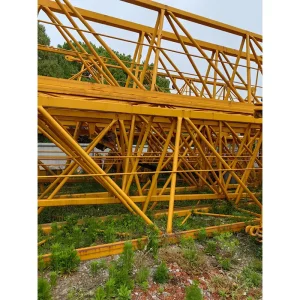
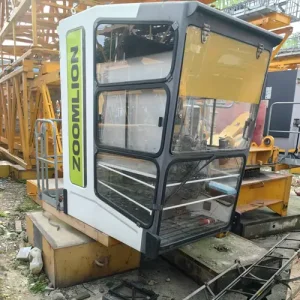
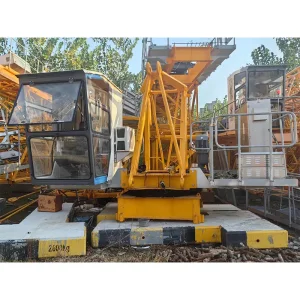
China ZOOMLION QTZ200 7020-12 YOM 2019-2023
Inspect Machine
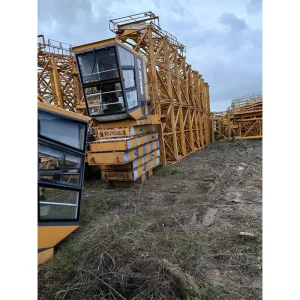
Pre-inspected topkit, topless, and hammerhead tower cranes combined with dual-cage passenger hoists ready for international logistics booking.
Examining structural transformations, precast modular building demands, and technical sourcing challenges facing top engineering contractors.
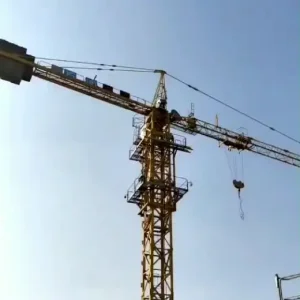
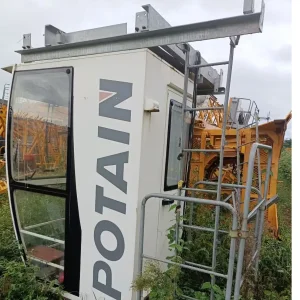
Across North America, Western Europe, and the Middle East, civil infrastructure and commercial high-rises have shifted rapidly toward Prefabricated Prefinished Volumetric Construction (PPVC) and modular precast facade elements. This construction methodology has rendered low-capacity light cranes obsolete for core structural packages. Contractors now demand heavy-moment machinery—specifically the 150 to 300 tonne-metre envelope (such as the QTZ200, QTZ250, and Potain MC320 series)—capable of sustaining tip loads exceeding 2.0 to 2.5 tonnes at working radiuses beyond 65 to 70 meters.
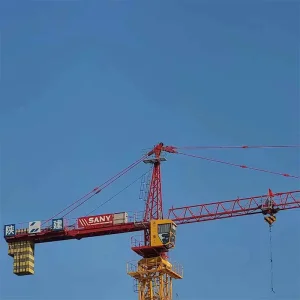
Furthermore, dense urban high-rise developments mandate "Flat-Top" (Topless) architectures. Without the towering apex and structural tie-bars of conventional hammerhead designs, topless configurations allow minimal vertical clearances during multi-crane overlap slewing, radically condensing air-rights management and simplifying on-site telescopic climbing sequences.
Modern volumetric modules weigh between 8 to 22 metric tonnes. Engineering teams require verified load-moment limiters and dual-line reeving dynamics capable of holding millimeter precision during hook placement without dynamic slewing drift.
Ordering factory-new tower cranes typically entails 6 to 14 months of manufacturing and testing backlogs. Sourcing audited second-hand equipment allows contractors to dispatch machines within 10 days of purchase confirmation.
Global general contractors can no longer accept unverified machinery. Sourcing operations must supply non-destructive weld testing (NDT), ultrasonic pin analysis, slewing ring backlash clearance reports, and verified factory nameplates.
Comprehensive equipment deployment models resolving complex anchoring, vertical travel, and high-density work-site envelopes.
For supertall building cores exceeding 200 meters where external mast tie-ins are cost-prohibitive, we configure internal climbing floor frames, custom hydraulic jacking cylinders, and floor collar anchors engineered to OEM specifications.
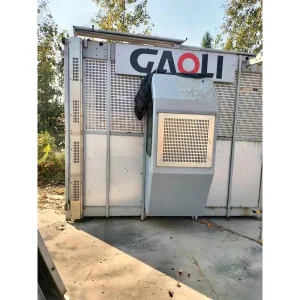
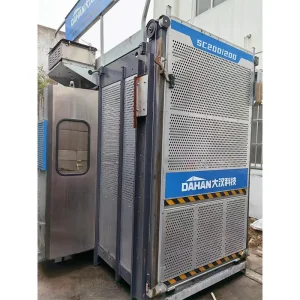
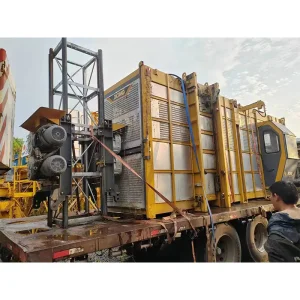
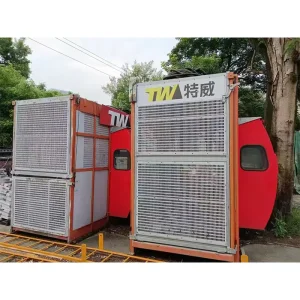
Pairing heavy QTZ/Potain tower cranes with high-speed SC200/200 variable-frequency twin-cage construction hoists eliminates vertical traffic bottlenecks, simultaneously lifting steel structures and moving hundreds of interior trades per hour.
Deploying state-of-the-art radio telemetry, dual-zone bypass switches, and dynamic anemometers to integrate anti-collision software across multi-crane clusters working in constrained municipal environments.
Eliminating operational risk before export. Every structural node, weld seam, and gearbox undergoes strict standardized verification.
Non-destructive ultrasonic crack detection across primary chord steel (Q345B/Q420B) and high-tensile connection pins to identify micro-fatigue.
Dial indicator measurement of axial and radial bearing clearances to ensure slewing tolerances conform strictly to OEM manufacturer thresholds.
Full load simulation testing of hoist torque cutoffs, trolley radius stops, anemometers, dynamic braking coils, and VFD inverters.
Preparation of verified Certificate of Origin (CO), commercial invoices, customized packing manifests, bill of lading, and OEM nameplate validation.
How automation, real-time IoT structural telemetry, and high-efficiency permanent magnet drives are reshaping the tower crane export landscape.
Retrofitting smart telematics black-boxes providing real-time cellular feed of cumulative fatigue cycles, motor operating temperature, and wire rope acoustic sensors directly to the cloud.
Upgrading traditional wire-wound hoisting winches to PMSM direct drives, decreasing electrical consumption by 32% while enhancing micro-speed control under peak hook loads.
Ground-level ergonomic simulation control stations utilizing 5G low-latency camera arrays and sensor fusions, taking operators out of hazardous high-altitude cabins.
Blockchain-secured digital lifecycle ledgers logging every steel weld repair, crane erection hour, certified overload test, and component replacement across all export cycles.
Explore late-model high-capacity machines sourced directly from prime industrial projects, inspected and prepared for immediate sea freight.
Clear, unhedged engineering insights addressing international freight logistics, machine provenance, and on-site assembly.