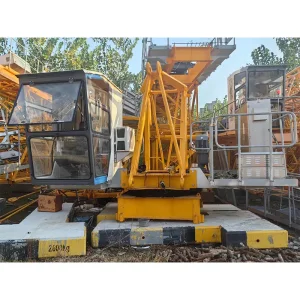
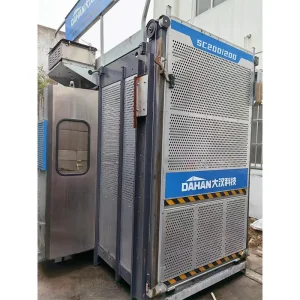
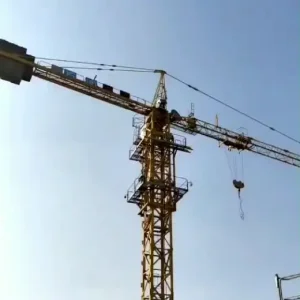
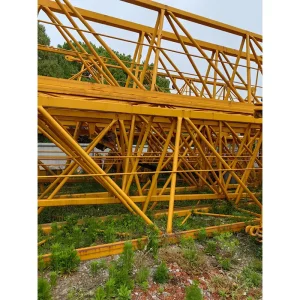
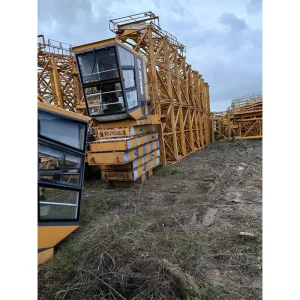
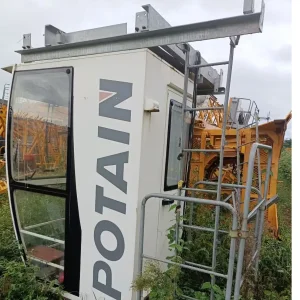
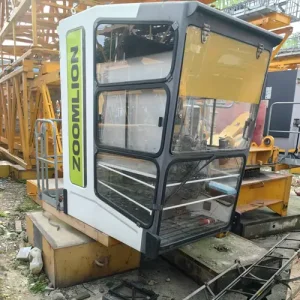
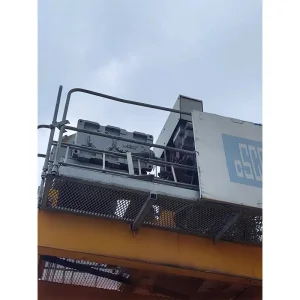
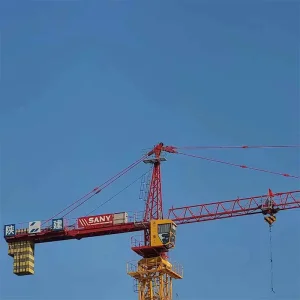
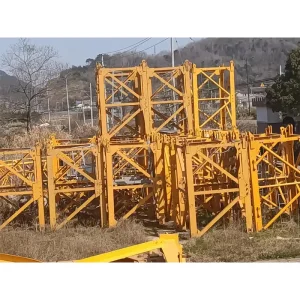
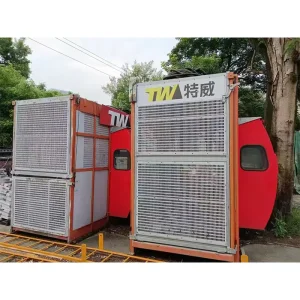
Pre-inspected topkit, flat-top, and construction hoist mechanisms from global engineering giants including Zoomlion, Potain, XCMG, and DAHAN.
Comprehensive market dynamics, supply chain decentralization, and structural cost engineering redefining global construction procurement.
The global construction industry is experiencing rapid modernization driven by mega-infrastructure, tall residential urban developments, and modular precast building methodologies. Tower crane operations represent the critical path on high-rise jobsites; project progress depends entirely on horizontal hook coverage and hoisting velocity. In this landscape, tier-one general contractors and international crane rental organizations face substantial capital expenditure pressure. Procuring brand-new machinery incurs heavy depreciation and prolonged production backlogs that extend lead times beyond 12 to 18 months.
Consequently, the secondary market for high-integrity, inspected tower cranes has transformed into a strategic industrial sector. Premium late-model units (primarily Year of Manufacture 2018–2023) from top-tier brands—such as Zoomlion, Potain, XCMG, SANY, and DAHAN—offer operational parameters identical to factory-new machinery while reducing initial capital exposure by 40% to 65%. Exporters who manage extensive physical holdings, dedicated metallurgical verification yards, and direct sea-freight logistics have become vital supply chain facilitators across North America, Europe, East Asia, and the Middle East.
China produces more than 70% of the world’s tower crane systems and construction hoists, supported by an advanced manufacturing ecosystem. Industrial centers in Jiangsu, Hunan, and Shandong combine specialized steel mills, automated robotic submerged arc welding, integrated blast-cleaning paint plants, and standardized high-tensile pin/bolt forging operations. This tightly coupled industrial cluster delivers unmatched manufacturing and reconditioning velocity.
Organizations like Huaian Zhongqiang International Trade Co., Ltd. leverage this regional advantage through extensive physical infrastructure. Operating a 30+ acre warehouse base with a 500 m² commercial command center in Huai'an, Jiangsu, the facility executes end-to-end component handling: ultrasonic weld flaw detection, slewing ring axial runout testing, precision motor realignment, and automated surface re-coating. By bypassing intermediary brokers and maintaining direct factory-grade testing infrastructure, Chinese export yards ensure rapid containerization, consistent batch QA, and immediate oceanic clearance via East China deepwater ports.
Matching hoisting mechanics, tip load curves, and safety systems to regional site topologies and evolving safety standards.
Flat-top (topless) tower cranes eliminate the overhead tie-bar structure, reducing cross-jib clearance requirements on tightly clustered urban sites. This design enables lower hook heights across multi-crane setups, speeds up installation, and protects air-rights corridors around metropolitan hospital zones and airports.
Modern civil infrastructure relies on precast concrete sections and modular volumetric pods weighing 6 to 12 metric tons. These loads require high-capacity QTZ200 (7020) and QTZ250 (7025) cranes, which deliver rigid mast stability and stable micro-speed hoisting to place complex pre-engineered assemblies without structural drift.
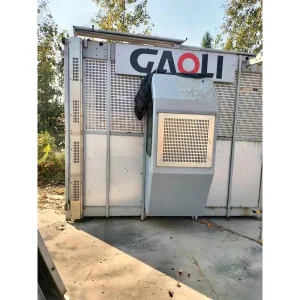
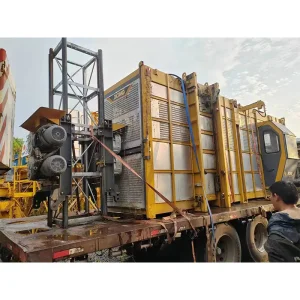
Rack-and-pinion builder hoists—such as the twin-cage SC200/200 series from GAOLI, TEWEI, and XCMG—operate alongside tower cranes. Carrying 2x2,000 kg payloads at 36 to 96 m/min, they maintain high-speed vertical material flow while keeping primary cranes dedicated to heavy structural lifts.
The tower crane sector is transitioning from electromechanical control setups to intelligent, inverter-driven digital platforms. Variable Frequency Drive (VFD) technology across hoisting, trolleying, and slewing mechanisms is now standard for global contractors, reducing current surges during startup and minimizing mechanical wear on brake linings and gearboxes.
Modern export cranes are systematically retrofitted with integrated smart load-moment indicators (LMI), anti-collision sensors, and remote diagnostic telemetry modules. These sensor suites prevent operators from exceeding load-radius envelopes, compensate automatically for wind shear, and provide engineering teams with real-time duty cycle analytics. As global regulations mandate zero-tolerance jobsite safety protocols, verified cranes equipped with tested fail-safe limiters and intact OEM compliance records command premium market demand.
Key technical checkpoints and commercial requirements global procurement teams evaluate before signing export agreements.
Procurement directors verify authentic stamped nameplates with unambiguous Year of Manufacture (YOM) data, serial numbers, and manufacturer test certificates to guarantee legitimate factory origins and prevent refurbished replicas.
Structural inspections evaluate ultrasonic non-destructive testing (NDT) results across high-stress mast chord junctions, checking that fishplate pin holes and chord steel show no fatigue cracking, micro-fissures, or ovalization.
Proper overseas transport requires expert jib disengagement, sequential counterweight grouping, and heavy-duty steel wire lashing inside 40ft Open Top, High Cube, or Flat Rack containers to eliminate marine transit deformation.
Fast customs clearance requires complete documentation: Commercial Invoices, Packing Lists cross-referenced with component shipping marks, Bills of Lading, and certified Certificates of Origin (Form E, CO, etc.).
Every tower crane unit undergoes our comprehensive verification program before sea-freight dispatch.
Dial indicators verify internal gear teeth tolerances and backlash clearances, while torque testing confirms raceway integrity under simulated dynamic tipping moments.
Technicians inspect contactors, PLC program cards, and cable insulation resistance across 380V/440V networks to ensure responsive fault protection.
Calipers measure non-rotating wire ropes for wear, brake pads are checked for specified thickness, and hydraulic thrusters undergo operational testing under loaded conditions.
Explore heavy-duty tower crane platforms and construction hoists ready for immediate export handling.
Clear, direct answers regarding equipment verification, loading procedures, transit logistics, and regulatory compliance.