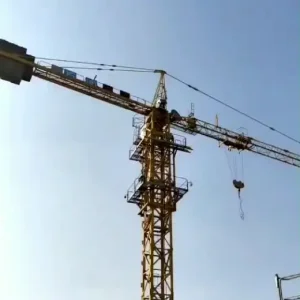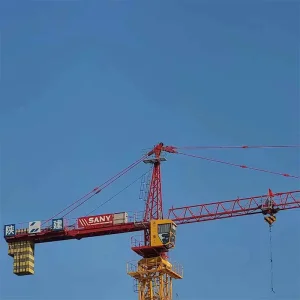
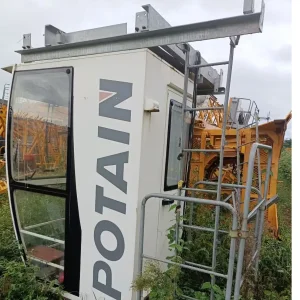
POTAIN MC120-6 Hammerhead Tower Crane (YOM 2018)
China POTAIN MC120-6 YOM 2018 Factory, Exporters
Each unit is certified under Chinese National Level-2 Engineering Standards with multi-point non-destructive weld testing, structural integrity inspections, and worldwide sea logistics clearance.
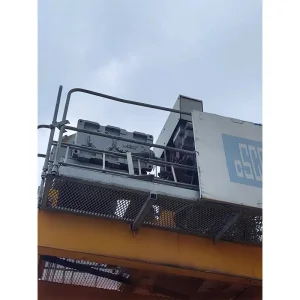
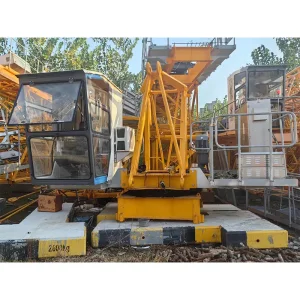
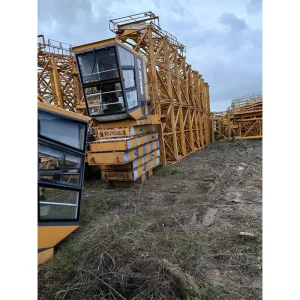
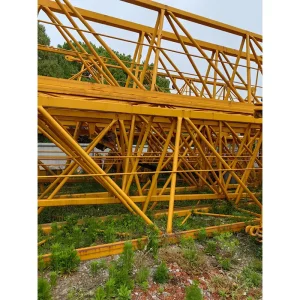
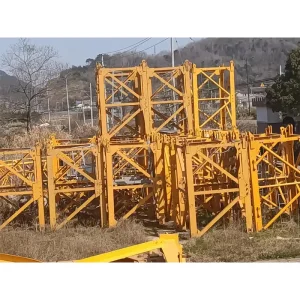
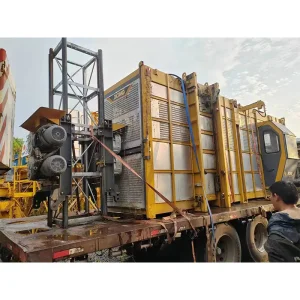
In the pantheon of super-heavy mechanical engineering, the K10000 classification represents the absolute apex of rated load moments, towering capacity, and modular engineering. Global infrastructure programs demand high-tonnage lifting integrity.
Procuring bespoke ultra-heavy cranes newly fabricated carries astronomical capital expenditure and 18-to-36-month procurement leads. Forward-looking EPC contractors leverage pre-inspected, high-integrity second-life fleets to lower asset depreciation while securing operational readiness on tight milestone schedules.
Modern industrial facilities, nuclear containment domes, and offshore wind components have exceeded the capacity envelope of standard QTZ units. Class K10000 cranes provide upwards of 200 to 500+ ton pick capacities at expansive working radiuses, dramatically accelerating structural cycle times.
Overseas transactions in mega-class lifting machinery demand complete operational transparency. Operating through direct yards with National Level-2 qualifications guarantees true Year of Manufacture (YOM 2018–2023), unaltered OEM metadata, and comprehensive load-cell diagnostic verification.
Understanding load moment envelopes, structural fatigue profiles, and slewing dynamics is vital when architecting complex bridge construction, power generation stations, and offshore installations.
| Performance Dimension | K10000 Heavy Class Spec | Standard Topkit / QTZ Class | Strategic Operational Advantage |
|---|---|---|---|
| Rated Load Moment | 10,000 to 20,000+ t·m | 100 to 450 t·m (e.g., QTZ100–QTZ250) | Enables single-pick lifting of massive pre-assembled modular blocks. |
| Max Single-Line Capacity | 240 t – 500+ t | 6 t – 16 t (Potain MC120 / Zoomlion 7025) | Eliminates hazardous tandem-crane pick sequences. |
| Jib Radius & Tip Load | Up to 100 m / 50 t at maximum reach | 60 m to 70 m / 1.3 t to 2.5 t at tip | Broad sweep coverage across vast industrial construction footprints. |
| Structural Metallurgy | High-yield Q460 / Q690 normalized steel | Standard Q345B carbon structural steel | High tensile strength-to-weight ratio resisting metal fatigue. |
| Logistics Footprint | Specialized flat-rack & breakbulk vessels | Standard 40' High-Cube containers | Optimized modular pinned pinned-mast sections for fast deployment. |
How super-heavy lifting systems integrate into specialized civil environments across North America, Europe, East Asia, and the Global South.
Precision positioning of nuclear reactor core components, pressure vessels, and generator stators requiring micrometric slewing tolerance and fail-safe dual-hoist braking architecture.
Lifting precast concrete girders and prefabricated suspension tower steel pylons across waterways, minimizing in-situ falsework assembly and cutting construction schedules.
Assembly of floating wind turbine platforms, oil rig topside skids, and dry-dock mega-modules with high load hooks and specialized anti-collision spatial control systems.
Erecting long-span spatial truss domes and stadium roofs where ground space is constrained, requiring ultra-long jib reaches without secondary ground-based mobile cranes.
The super-heavy machinery domain is shifting from raw mechanical muscle to intelligent cyber-physical systems. These four vectors represent the next generation of K10000 manufacturing and retrofits.
Real-time strain gauges and acoustic sensors embedded across high-stress pin joints, feeding load-cycle data to cloud dashboards to predict metal fatigue before microscopic cracks emerge.
Regenerative hoisting drives recapture gravitational potential energy during lowering cycles, feeding clean electricity back to microgrids and reducing generator fuel consumption by up to 30%.
5G ultra-low latency tele-operation stations permit crane drivers to operate super-heavy equipment from climate-controlled ground operations centers, eliminating vertical commute hazards.
Advanced algorithm-driven trolley and slewing vector controls actively dampen pendulum oscillation on suspended loads, boosting blind-lift positioning efficiency on windy sites.
We mitigate international machinery acquisition risks through end-to-end procedural controls from our Huai'an hub.
Every mast, chord, and jib pin-hole undergoes magnetic particle inspection (MPI) and ultrasonic testing to identify hidden metallurgical stress, micro-fissures, and weld fatigue before authorization for export.
Operating under independent national foreign trade rights, Huaian Zhongqiang executes direct contracts, original equipment manufacturer nameplate verifications, clean bills of lading, and bespoke country-specific certificates of origin.
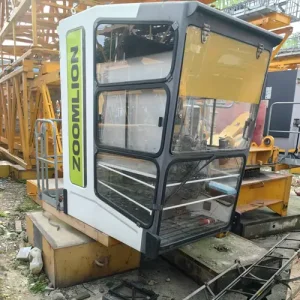
In-house riggers dismantle slewing tables, counter-jibs, and operator cabins into marked sections. Critical machineries, gearboxes, and electrical cabinets receive anti-corrosion barrier packaging for salt-spray defense during sea transit.
Authoritative guidance on fleet procurement, YOM verification, load test documentation, and global logistics execution.
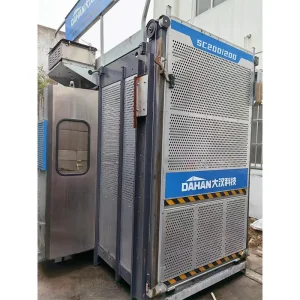
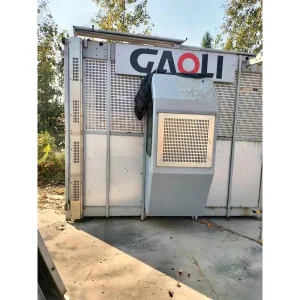
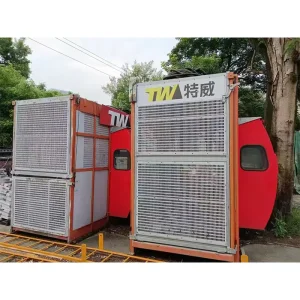
Explore fully certified tower cranes and high-speed twin-cage hoists available for immediate port delivery and sea transport from Huai'an, Jiangsu, China.