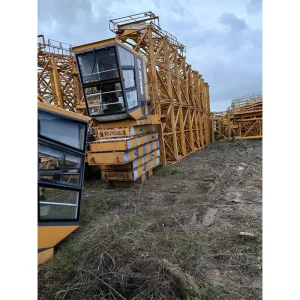
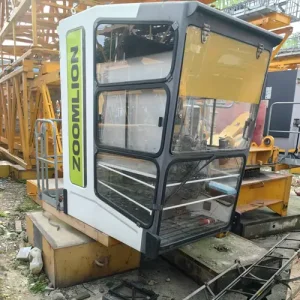
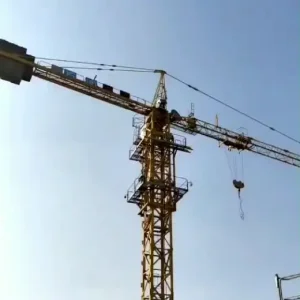
Inspected, late-model (YOM 2018–2023) high-rise lifting equipment available for rapid worldwide deployment.
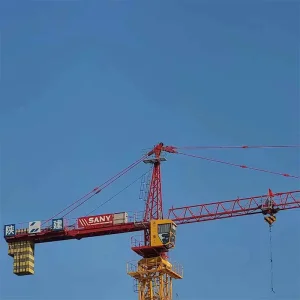
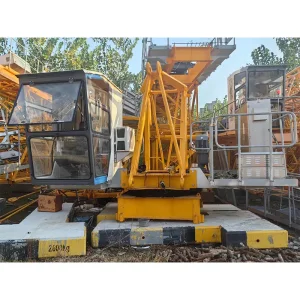
Constructing high-rises exceeding 300 meters presents extreme engineering challenges: severe wind shear, localized structural sway, complex tie-in collar logistics, and severe hook-travel times. Selecting the correct crane configuration directly impacts site safety and project profitability.
Designed specifically for ultra-dense urban environments where out-of-service slewing clearances are severely restricted. Luffing jibs elevate to near-vertical angles (up to 85°), effectively dodging neighboring structures while maintaining massive point-load capacity at extreme altitudes.
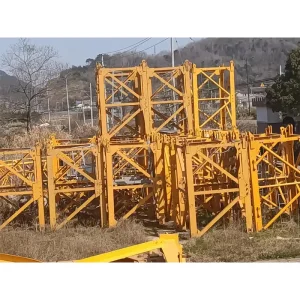
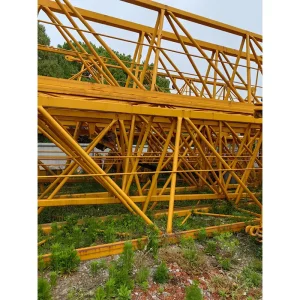
Flat-top (topless) tower cranes eliminate the traditional cat-head tower top, permitting overlapping jib operations in multi-crane skyscraper sites. This architecture accelerates installation via pre-assembled modular jib sections lowered directly by mobile auxiliary cranes.
When external tower anchorage to building facades becomes unfeasible above 200 meters due to complex glass curtain walls, internal hydraulic self-climbing frames mount within elevator shafts, ascending automatically as building floors are cast.
For international general contractors (EPCs) and equipment rental conglomerates, procuring high-rise crane assets involves rigorous evaluation of direct capital expenditure, structural fatigue, freight volume efficiency, and spare parts availability.
Strategic Procurement Insight: Modern Tier-1 Chinese manufacturers (Zoomlion, XCMG, SANY, Yongmao, Dahan) now dominate international super-tall construction projects by delivering up to 45% savings in initial Capex while matching European safety and ISO/CE standards.
When selecting cranes for skyscraper projects exceeding 50 stories, procurement teams must balance three critical parameters:
Key technical comparison metrics for enterprise equipment buyers:
| Crane Category | Max Tip Capacity | Climbing Type | Primary Application |
|---|---|---|---|
| Luffing Jib (e.g. MC320/STT) | 3.0t @ 60m | Internal/External | Ultra-Tall / Congested Urban |
| Heavy Flat-Top (QTZ250/7025) | 2.5t @ 70m | External Tie-In | Multi-Crane Superstructures |
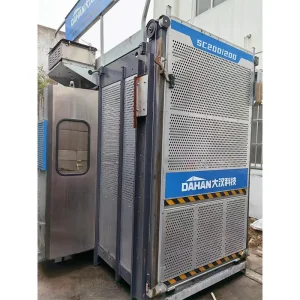
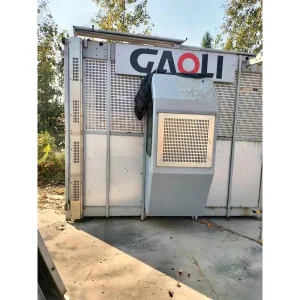
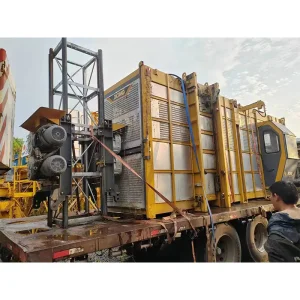
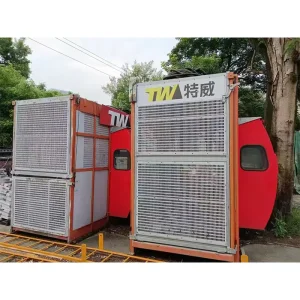
| Heavy Hoist (SC200/200) | 2x 2,000kg | Rack & Pinion Mast | High-Speed Passenger & Material |
How Eastern China’s heavy equipment cluster delivers unprecedented manufacturing quality, metallurgical resilience, and cost advantages to the global construction market.
Main chords and structural mast sections utilize high-yield Q355B to Q460D low-alloy structural steel. Pin connections undergo precise high-frequency quenching and anti-corrosion plating to withstand severe marine and high-altitude atmospheric exposure.
100% automated robotic arc-welding eliminates human variance in critical structural joints. Every load-bearing weld seam undergoes rigorous Ultrasonic Testing (UT) and Magnetic Particle Inspection (MPI) prior to surface coating.
Operating out of expansive storage and manufacturing hubs spanning over 30 acres in Huai'an, Jiangsu, suppliers maintain vast ready-to-ship stock of late-model units, allowing shipping dispatch within days rather than months.
Next-generation skyscraper construction integrates digital twins, autonomous anti-sway computer vision, and high-efficiency green drive systems to enhance safety and efficiency.
Using real-time wind sensors, optical vision cameras, and closed-loop VFD algorithms, modern tower crane control systems calculate dynamic load sways instantly. They apply micro-counter-torques to automatically freeze hook oscillations within millimeter accuracy at 300m elevations.
Continuous strain gauge sensors installed on mast collars, slewing ring bearings, and tie-in brackets stream real-time stress data to cloud-based monitoring portals. Maintenance engineers predict metal fatigue and bearing wear before any mechanical failure occurs.
Ensuring complete peace of mind for international buyers through rigorous pre-shipment testing, official OEM documentation, and international safety compliance.
All exported heavy equipment matches global market standards including CE (Europe), ASME B30.3 (USA), EN14439, and EAC (Eurasia). Comprehensive electrical schematics and hydraulic manuals are supplied in standard English technical formats.
Prior to loading into ocean freight flat-racks or containerized shipments, units undergo complete operational dry-runs: slewing backlash measurement, motor insulation testing, brake torque testing, and ultrasonic pin checks.
Experienced logistics teams manage dismantling, match-marking of mast sections, specialized lashing, containerization, and customs clearance paperwork directly from East China ports to any discharge port globally.
Expert insights covering structural tie-ins, internal climbing vs external placement, wind limits, and used asset inspection.
Browse certified used tower cranes and rack-and-pinion passenger hoists configured for skyscraper construction.