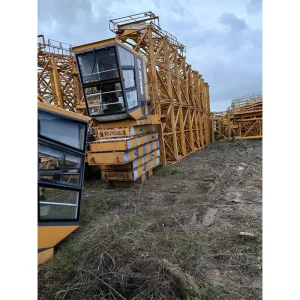
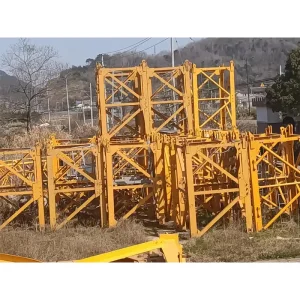
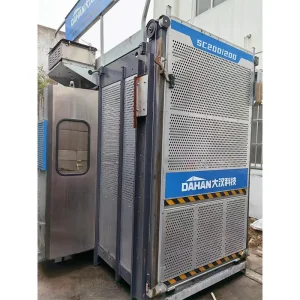
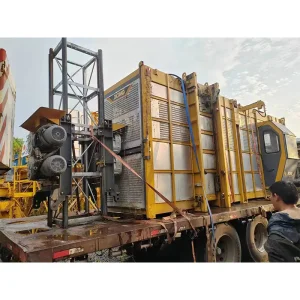
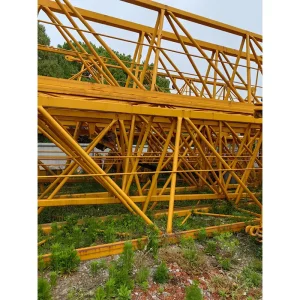
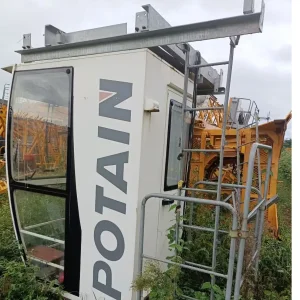
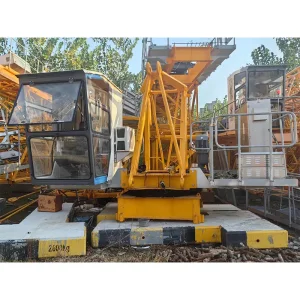
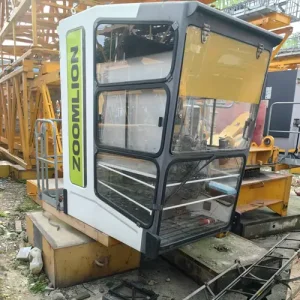
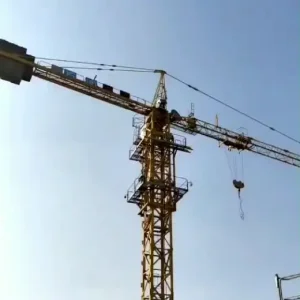
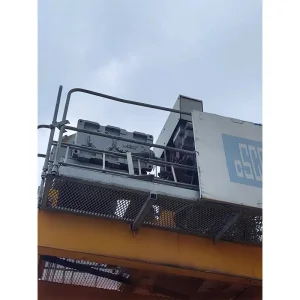
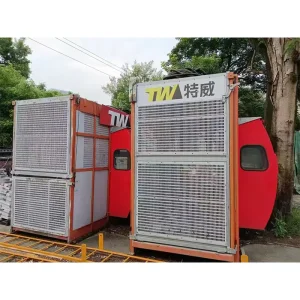
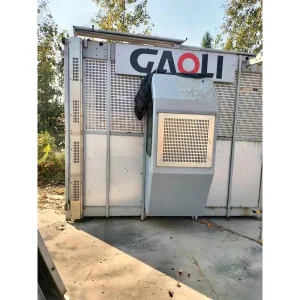
Pre-inspected Tier-1 machinery available for worldwide immediate marshaling, load-testing verified, and equipped with intact OEM serial certifications.
Analyzing structural dynamics, kinematic control upgrades, and macro trends driving modern crane engineering in high-density urban zones.
The global shift toward Modern Methods of Construction (MMC) and Modular Integrated Construction (MiC) has shifted crane selection from long-radius light hooks to high-capacity mid-jib requirements. Modular volumetric units regularly require load moments between 200 t·m to 600 t·m, pushing tower crane structures toward robust flat-top designs with enhanced tip-load capacities.
Modern building construction demands millimetric hook placement and energy-efficient duty cycles. Closed-loop variable frequency drives (VFD) across hoisting, slewing, and trolley mechanisms significantly mitigate micro-vibrations, dynamic shock loads on the mast chords, and parasitic power loss, allowing sustained duty cycles even under adverse high-wind turbulence.
Digital load-moment indicators (LMI), anti-collision zoning algorithms, and automated black-box telemetry form the core of current tower crane deployments. Continuous structural health monitoring detects micro-fissures in slewing bearings, pinpointing metal fatigue in mast sections before material failure can jeopardize site operations.
How state-of-the-art Chinese robotic welding, high-tensile metallurgical standards, and aggregated industrial clusters deliver superior ROI for global construction contractors.
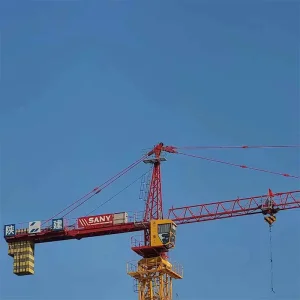
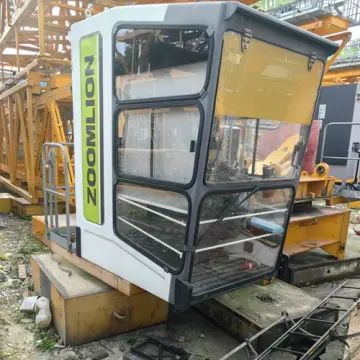
Tier-1 Chinese equipment hubs—encompassing major manufacturing leaders such as Zoomlion, XCMG, SANY, Yongmao, and DAHAN—employ robotic twin-wire submerged arc welding systems that run alongside digital ultrasound flaw detectors. Steel alloys such as Q355B and Q460D provide high yield strength, ensuring mast sections resist buckling moments across 15+ years of lifecycle service without weld integrity degradation.
Rapid domestic infrastructure turnaround yields a steady stream of secondary lifting equipment from YOM 2018 through 2023. These units—often retired after short durations on high-spec municipal contracts—retain near-original metallurgy and electronics at roughly 35% to 55% of the factory-new price tag, allowing general contractors in emerging and Western markets to optimize capital overhead.
| Engineering Vector | Conventional Market Machines | China 4.0 Inspected Secondary Fleets |
|---|---|---|
| Capital Deployment (USD/Unit) | High premium; 6-12 month OEM lead times | 40-60% capital savings; ex-yard immediate marshaling |
| Structural Steel & Metallurgy | Standard carbon steel with standard corrosion coat | Q355B / Q460D steel; dual-coat epoxy primer and polyurethane finish |
| Inspection Protocol | Variable third-party or visual checks | 128-point NDT weld testing, slewing clearance measurement, run test |
| Drive & Control Mechanisms | Step-resistor or basic AC invertors | Full Stepless VFD on all axes; integrated digital wind / moment limiters |
Operating a dedicated 30+ acre heavy equipment marshaling facility in Huai'an, Jiangsu, backed by National Level-2 Construction Machinery qualification and direct export licenses.
Unlike broker networks, Huaian Zhongqiang International Trade Co., Ltd. operates with autonomous corporate export rights. All commercial invoices, bills of lading, and certificates of origin match legal entities, streamlining customs clearance.
Our technical engineers bring a decade of specialized industry experience across tower crane disassembly, re-reeving, pin replacement, structural remediation, and sea-worthy corrosion inhibition treatments.
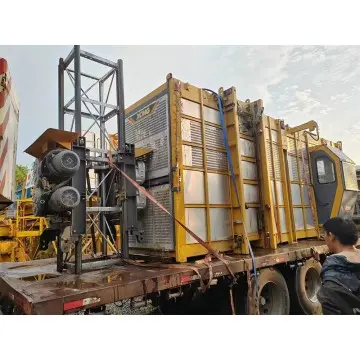
Specialized teams execute high-density container loading (40HQ / Flat Rack / Breakbulk). Every mast chord and jib segment receives custom soft-chocks, high-tensile wire lashings, and desiccants to resist maritime corrosion during long ocean transit.
Matching specific machine configurations, jib envelopes, and hoisting mechanisms to regional geotechnical and urban density profiles.
Primary Specs: Flat-top jibs (60–70m), 10–12t capacity. Tight municipal clearances require flat-top designs to optimize slewing clearances when multiple jibs overlap across dense metropolitan lots.
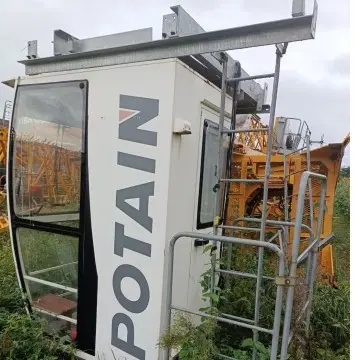
Primary Specs: High free-standing heights, heavy tip capacity. Zoomlion QTZ250 or Potain MC320 units deliver stable handling for formwork arrays, rebar cages, and continuous wet concrete pouring skips.
Primary Specs: Twin-cage hoists (SC200/200). Essential vertical transport running in parallel with cranes, moving up to 4,000 kg total payload at speeds up to 63 m/min to maintain workforce productivity.
Primary Specs: Medium radius (50–60m), rapid hook velocity. SANY and DAHAN QTZ100 machines balance fast line speeds with exact inching control to set steel portals and double-tee slabs securely.
Engineered for high duty-cycle performance, low downtime risk, and compliant with international rigging safety protocols.
Key technical details, inspection parameters, and international export procedures explained for fleet managers and engineering directors.