
Precision-verified machinery sourced directly from manufacturing plants and monitored staging yards, complete with rigorous testing metrics and international shipping documentation.
Analyzing hydraulic advancements, electro-proportional valve systems, and payload dynamics that solidify the 20-22 ton operating bracket as the universal choice for heavy civil works.
In modern heavy civil engineering, earthmoving logistics, and urban structural construction, the 20 ton hydraulic excavator (operating across the 20,000 kg to 23,500 kg range) serves as the primary operational workhorse. While compact excavators dominate micro-utility trenches and massive 50-ton machines anchor pit mining, the 20-ton footprint represents an optimal thermodynamic and structural equilibrium: unmatched breakout force, dynamic hydraulic distribution, optimal swing torque, and straightforward transportability across standard highway lowboy corridors without requiring excessive oversize transit permits.
Furthermore, leading manufacturing centers in China have fundamentally shifted the global value equation. Facilities operated by tier-1 conglomerates—such as SANY, XCMG, and Zoomlion—have implemented industry 4.0 "Lighthouse" factory principles. Utilizing robotic welding gantries, sub-millimeter laser cutting, stress-relieving shot blast chambers, and dynamic digital hydraulic test cells, modern 20-ton crawler excavator platforms compete at parity with historic Japanese and European premium equipment marques, while providing significantly superior total cost of ownership (TCO) matrices and immediate capital payback cycles.
Next-generation positive flow hydraulic architectures (PFH) and dual variable-displacement axial piston pumps minimize internal throttle pressure losses by up to 18% compared to negative control systems, delivering instant breakout response.
Boom and arm weldments utilize high-yield structural steel (such as Q690D and Hardox-grade steel castings) at high-stress pivot junctions. Ultrasonic flaw inspections prevent premature structural fatigue under prolonged severe duty cycles.
Dynamic ECM-governed power balancing actively matches real-time pump displacement to instantaneous engine RPM curves, curbing parasitic diesel consumption during idle periods and tough trench cycle shifts.
How tier-1 EPC contractors, rental conglomerates, and mining groups optimize capital allocation across machinery lifecycle stages.
Procurement directors within international infrastructure consortia no longer evaluate machinery based solely on initial purchase invoice values. Modern asset evaluation relies on multi-year TCO algorithms accounting for operating expense burn rates, sub-assembly component longevity, field servicing accessibility, and predictable second-life residual values.
When selecting a 20-ton excavator manufacturing origin, procurement departments compare direct factory-built equipment against late-model, certified-inspected used machinery (such as YOM 2018–2023 platforms). For contractors executing multi-year build-own-operate-transfer (BOOT) megaprojects, balancing newly commissioned machinery with inspected secondary units drastically accelerates mobilization timelines while mitigating balance sheet leverage.
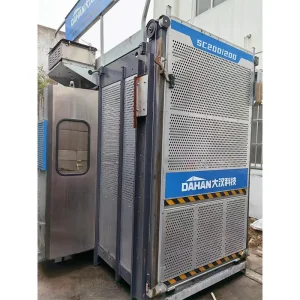
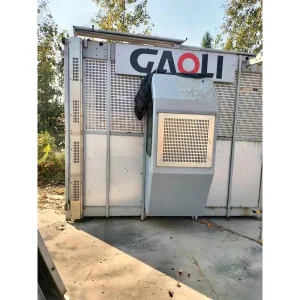
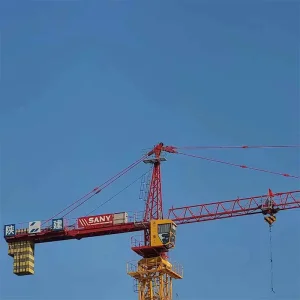
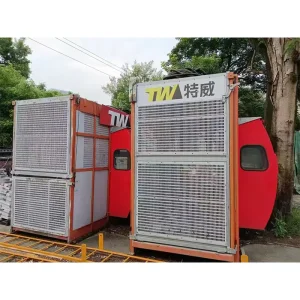
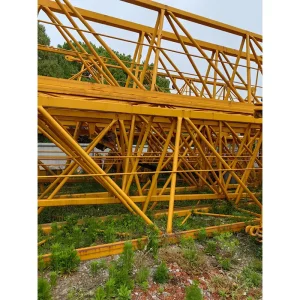
Synergizing heavy 20-ton excavators with high-rise vertical access systems—such as SC200/200 construction passenger hoists and QTZ/MC heavy tower cranes—under a single unified export procurement umbrella.
Standardizing track gauge widths and machine transport envelopes ensures standard 40ft Flat Rack (FR) or specialized Roll-on/Roll-off (RORO) shipping without expensive breakdown labor costs at discharge ports.
Packaging original maintenance kits (1,000-hour and 2,000-hour filter sets, seal rebuild bundles, bucket tooth assemblies) directly within freight container lockers to eliminate initial downtime risks.
Operating from our 30+ acre facility in Huai'an, Jiangsu, our certified engineering teams inspect, calibrate, and sea-proof all heavy equipment assets prior to international dispatch.
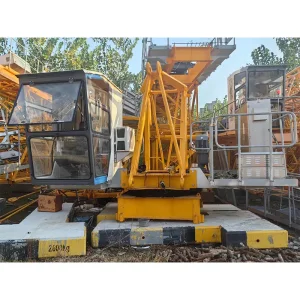
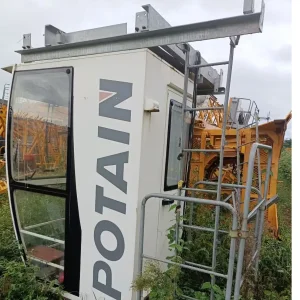
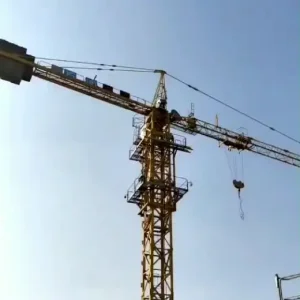
In international machinery logistics, theoretical promises cannot replace rigorous, verifiable quality controls. Huaian Zhongqiang International Trade Co., Ltd. operates an expansive 30+ acre engineering yard and staging terminal. Backed by a Chinese national Level-2 qualification and direct, un-intermediated import/export enterprise authority, every unit—whether a high-torque 20 ton excavator, a DAHAN/Potain tower crane, or an SC200 twin-cage hoist—undergoes standardized multi-point physical validation.
Before any machinery is lashed or sealed for sea voyage, factory-certified mechanical specialists complete our comprehensive 128-point evaluation protocol:
Every prospective buyer receives comprehensive high-definition video documentation, digital micrometer readings, oil sample laboratory reports, and original factory nameplate verifications.
Dismantling, jib section packing, counterweight anchoring, and rust-inhibitive wax preservation are executed directly by full-time specialized rigging personnel.
Seamless land transit to major East China deepwater ports (Shanghai, Qingdao, Taicang) with complete customs documentation, Certificate of Origin (CO), and certified lading bills.
From electro-hydraulic architectures to 2D/3D semi-autonomous machine guidance and dual-power electrification.
The 20 ton excavator manufacturing sector is undergoing an unprecedented technological transformation driven by carbon mitigation mandates, high-bandwidth field telematics, and operator-assist semi-autonomous control architectures. Global factory roadmaps highlight three key engineering vectors that will define next-generation earthmoving equipment:
High-capacity LFP (Lithium Iron Phosphate) battery integration operating at 600V+ bus architectures. Offering 6 to 8 hours of continuous digging with zero worksite tailpipe emissions and ultra-low noise footprints, ideal for tunneling and dense urban centres.
OEM-integrated GNSS receivers, dual inertial measurement units (IMUs), and steer-by-wire electro-hydraulic pilot valves that automatically guide boom height and bucket angle to prevent over-excavation against digital BIM plans.
Onboard edge computing gateways aggregating real-time oil dielectric constants, differential filter pressure alerts, and fuel injection deviations, transmitting predictive maintenance alerts directly to fleet operations dashboards.
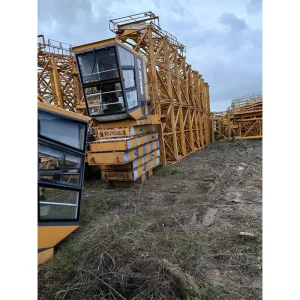
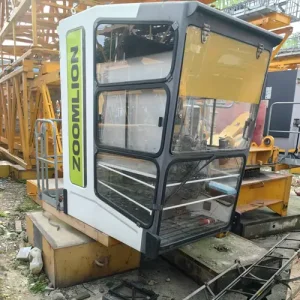
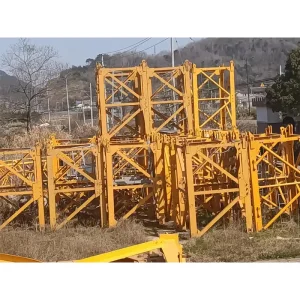
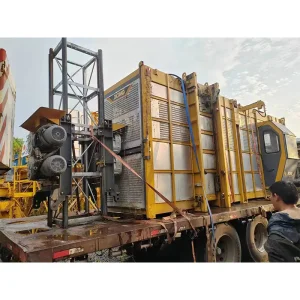
Explore our full line of inspected construction hoists, flat-top cranes, and heavy lifting infrastructure assets ready for immediate export staging.
Direct answers to core queries raised by foreign trade procurement directors, fleet engineers, and site superintendents.