How to Buy a Used Zoomlion Tower Crane?

Time:2026-11-09 Author:Liam
0%

Buying a Zoomlion Used Tower Crane is not just a price comparison. It is a close look at the machine’s history, condition, and suitability for your site. A crane may look clean in photographs yet hide wear in its hoist ropes, brakes, or slewing ring. Ask for the model and serial numbers, operating hours, maintenance records, inspection reports, and available load charts. Then compare those details with the seller’s description. Small discrepancies deserve attention. So do missing documents. A low asking price can be tempting, but it cannot tell you how the crane was maintained.

For a transparent expert perspective, this guide uses “Evan Cole” as a fictional composite inspection specialist, not a real quoted source. His illustrative advice is: “Check the records against the steel, the controls, and the parts you can actually inspect.” Treat that as a reminder, not a substitute for an independent inspection. Look closely at mast sections, connection points, electrical controls, and signs of repairs. Confirm which components are included and whether technical support or replacement parts are available. Fit matters. Check the crane’s configuration against your project requirements, assembly plan, and transport arrangements. This guide will walk through seller questions, document checks, inspection priorities, and deal terms. No checklist removes every risk. Some uncertainty remains, and that is precisely why careful verification matters.
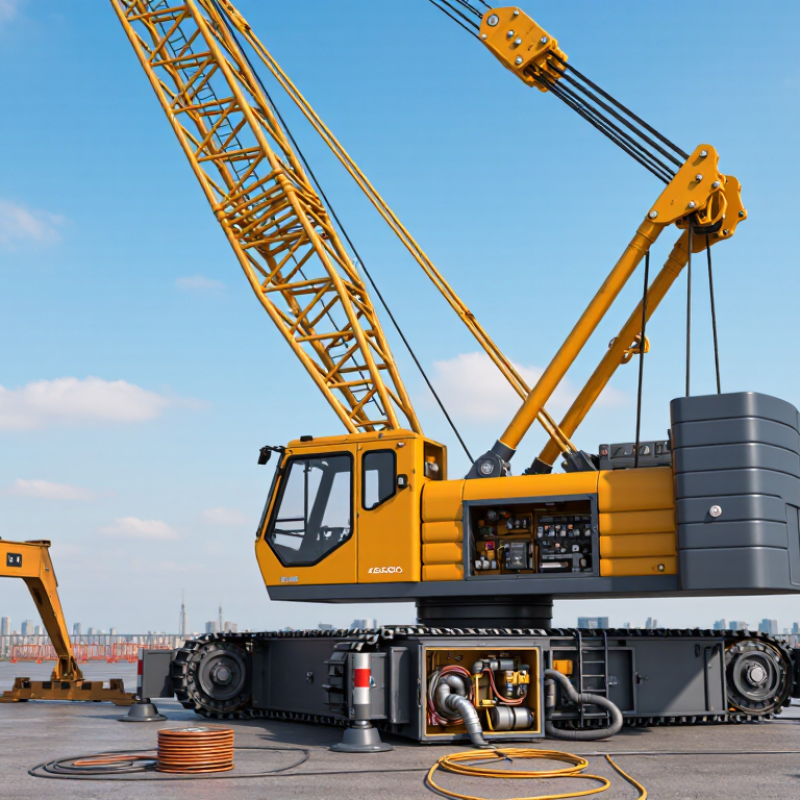
How to Buy a Used Zoomlion Tower Crane?

Identify the Zoomlion Model, Serial Number, Year, and Rated Capacity

Before pricing a used tower crane, photograph its identification plate and compare it with the frame stamping. Record the exact model, serial number, and stated year; do not guess from paint, decals, or a seller’s memory. Ask the manufacturer or an authorized service provider to confirm the serial-number format and production date. A plate that is unreadable or inconsistent deserves a pause. Small details matter.

Rated capacity needs equally careful checking. It is not one universal lift weight. The approved load chart depends on the crane’s configuration, including jib length, counterweights, and operating radius. Match the chart to the machine on site, then compare it with the supplied manuals and service records.

OSHA’s 29 CFR 1926.1417 addresses operating within rated capacity.

The U.S. Bureau of Labor Statistics’ 2023 Census of Fatal Occupational Injuries recorded 5,283 fatal work injuries across U.S. workplaces; this broad figure is not crane-specific, but it underlines why capacity records should be treated seriously.

I would still verify the configuration in person; paperwork can be incomplete.

Tips: Take clear photos of the plate, serial stamping, load chart, and any altered or missing labels. Request written confirmation of model, year, and capacity before arranging inspection or payment.

Match the Load Chart to the Crane’s Jib Length and Working Radius

A used tower crane should be assessed against the work it will actually perform. Start with the planned jib length and the farthest working radius, measured from the crane’s slewing axis to the load. Then check the load chart for that exact configuration. Capacity usually decreases as the radius grows. A load that seems modest near the mast may exceed the limit near the jib tip. Small details matter.

Confirm the chart matches the crane’s model, jib sections, counterweight arrangement, reeving, and hook block. Check its notes for required deductions or restrictions. Do not rely on a chart from a similar-looking crane; configurations can differ. If the chart is missing, unclear, or inconsistent with the installed equipment, pause the purchase and have a qualified crane professional verify the setup.

Ask for records showing the crane’s configuration and any changes made during its service. Compare the listed jib sections with what is physically present, and inspect identification plates and documentation for consistency. I have seen buyers focus on maximum capacity and overlook radius. That is an easy mistake. Write down the heaviest planned pick, its working radius, and rigging weight, then confirm the chart supports that combination with an appropriate margin.

Review OSHA §1926.1412 Records: Monthly and Annual Inspections

How to Buy a Used Tower Crane: Review OSHA §1926.1412 Records

Before buying a used tower crane, ask for its monthly inspection records under OSHA §1926.1412. A competent person must inspect the equipment each month. The record should identify the inspection date, the items checked, and the inspector’s signature. Monthly records must be kept for at least three months. Match each document to the crane’s identification details, not just a handwritten model description. Dates matter.

Review the annual inspection too. A qualified person must conduct a comprehensive inspection at least every 12 months, with records retained for 12 months. Look for specific findings, not a page that simply says “passed.” Notes about worn wire rope, loose bolts, or damaged limit devices should connect to repair records. Check that repairs were completed and that later inspections addressed the same areas.

A neat binder can still hide a weak inspection. Compare records with the crane itself: labels, component condition, and visible signs of corrosion or leakage. Ask about missing months and unexplained gaps before negotiating. Records support a careful purchase, but they do not replace an independent inspection by a qualified professional. A gap is not proof of a defect, yet it deserves a clear answer.

How to Buy a Used Tower Crane? - Review OSHA §1926.1412 Records: Monthly and Annual Inspections

Use this checklist to review inspection records for a used tower crane. OSHA recordkeeping requirements are minimums; also check applicable manufacturer instructions, site records, and other relevant requirements, including 29 CFR §1926.1435 for tower cranes.

Record or review item OSHA requirement or review point What to verify in the records Buyer follow-up
Monthly inspection Under §1926.1412(d), equipment must be inspected each month by a qualified person. Look for dated inspection records identifying the items checked and results, plus the name and signature of the person who performed the inspection. Check for a continuous, credible record covering the available operating period. OSHA requires monthly inspection documentation to be retained for at least 3 months.
Annual comprehensive inspection Under §1926.1412(f), a qualified person must inspect the equipment at least every 12 months. The inspection includes the applicable monthly inspection items and relevant manufacturer recommendations. Confirm the inspection date, inspector identification, findings, and any referenced inspection checklist or supporting report. Ask for the latest report and evidence that identified deficiencies were corrected. OSHA requires annual inspection documentation to be retained for at least 12 months.
Inspection deficiencies and repairs Deficiencies must be evaluated and addressed as required by §1926.1412. Equipment with a safety-related deficiency must not be used until the applicable corrective action is completed. Match each finding to a repair record, replacement part record, reinspection, or other documented resolution. Check that dates and equipment identifiers are consistent. Treat open, repeatedly recurring, or undocumented safety-related findings as issues requiring clarification and an independent assessment before purchase.
Shift inspection Under §1926.1412(a), a competent person must inspect the equipment before each shift. The standard distinguishes this inspection from the documented monthly and annual inspections. Ask whether shift inspection logs are available and review them for recurring leaks, abnormal sounds, damaged components, or repeated operating concerns. Use shift logs as supporting history; do not assume that they replace required monthly or annual inspection documentation.
After assembly, disassembly, or reconfiguration Applicable inspections and procedures under §1926.1412 and the tower-crane requirements in §1926.1435 depend on the work performed and the equipment configuration. Request assembly, configuration, inspection, and commissioning records for the current setup, along with records for relevant prior reconfigurations. Confirm the crane’s configuration and supporting documentation match the intended assembly and use. Resolve gaps with a qualified tower-crane professional.
Severe service or unusual events Section 1926.1412 requires inspections after certain severe service conditions or potentially damaging events, as applicable. Ask about overloads, high-wind events, impacts, electrical contact, structural damage, and other incidents. Review inspection and corrective-action records following any such event. Do not rely solely on a recent routine inspection if there may have been an event requiring a separate inspection or repair.
Record identity and completeness Records should be attributable to the specific equipment and inspection; OSHA requires specified information for documented monthly and annual inspections. Cross-check the crane’s serial or equipment identification, inspection dates, inspector details, findings, and referenced documents. Check for missing pages or unexplained date gaps. Request original or verifiable copies and reconcile discrepancies before relying on the records for a purchase decision.

Important: This checklist is a purchasing aid, not a substitute for reviewing the current OSHA standards, the crane’s applicable manufacturer instructions, or an inspection by a qualified professional.

Inspect the Mast, Slewing System, Hoist, Wire Ropes, and Controls

Before buying a used tower crane, inspect the mast section by section. Look for bent chords, cracked welds, elongated bolt holes, and corrosion around joint plates. Confirm that pins and bolts match the configuration records; mismatched parts can compromise alignment. Check the slewing ring for abnormal play, damaged teeth, grease leaks, and uneven rotation. Ask for maintenance and inspection records, not just a recent sales inspection. Small defects matter.

Test the hoist through its operating range with a qualified technician. Listen for changes in motor or gearbox noise, and verify that brakes hold under the approved test procedure. Examine wire ropes for broken wires, kinks, crushing, corrosion, and reduced diameter. OSHA’s 29 CFR 1926.1413 specifies inspection requirements for crane wire ropes, including regular inspections and documentation. Test controls, limit switches, emergency stops, and alarms from the operator’s position. BLS reported 1,075 construction fatalities in 2023; that figure is not specific to cranes, but it reinforces the need for careful equipment checks.

Tips: Photograph defects beside a scale, record serial numbers, and compare findings with the crane’s service documents. Do not guess. If a test result is unclear, pause the purchase and obtain an independent inspection. A clean paint finish proves little.

Verify Parts Support, Transport Costs, and Commissioning Before Purchase

A used tower crane can look ready in photographs and still need costly work. Ask for serial-numbered parts lists, maintenance records, and clear photos of the trolley, hoist, mast sections, pins, and electrical cabinets. Check whether critical parts are available locally, how long uncommon items take to arrive, and whether substitutes are approved for that crane model. A low purchase price matters less if a small component keeps the machine idle for weeks.

Tips: Get transport quotes before signing. Confirm the crane’s dismantled dimensions, heaviest section, loading requirements, route access, and unloading equipment. Ask the seller to identify every piece included, including cables, bolts, and operator controls. Missing small items can cause delays. They are easy to overlook.

Commissioning should be planned, not treated as a quick start-up. Have a qualified technician inspect assembly condition, electrical functions, safety devices, and operating records. Agree in writing who pays for inspection, repairs, and testing, and what happens if the crane fails a check. Request a commissioning schedule and realistic cost estimate before purchase. Paperwork can look complete while an old fault remains; independent verification is worth the extra time. Be cautious if access to the crane or its records is limited.

How to Buy a Used Tower Crane: Verify Parts Support, Transport Costs, and Commissioning

Example planning scenario in USD—not market averages or a supplier quote. Before committing, obtain written confirmation of parts availability, a transport quote based on the crane’s dimensions and route, and a commissioning plan from qualified professionals. Replace these figures with project-specific quotes.

FAQS

What should monthly inspection records include?

They should show the inspection date, items checked, and inspector’s signature. Match each record to the crane’s identification details. Keep records for at least three months.

What should I check in the annual inspection records?

Look for detailed findings from a qualified person, not only a “passed” note. Records should cover a comprehensive inspection at least every 12 months and be retained for 12 months.

How should I handle missing inspection months?

Ask for a clear explanation and supporting documents before negotiating. A gap does not prove a defect, but it deserves attention.

Which crane parts need a close physical inspection?

Check mast sections for bent chords, cracked welds, elongated bolt holes, and corrosion near joint plates. Inspect the slewing ring for play, damaged teeth, grease leaks, and uneven rotation. Small defects matter.

What should a technician test on the hoist and controls?

Have a qualified technician test the hoist through its operating range. Check motor and gearbox sounds, brake holding, limit switches, emergency stops, and alarms.

What signs of wire-rope wear should I look for?

Look for broken wires, kinks, crushing, corrosion, and reduced diameter. Compare the rope’s condition with inspection records. Do not guess.

What should I confirm before arranging transport?

Get transport quotes and confirm dismantled dimensions, the heaviest section, loading needs, route access, and unloading equipment. Check that cables, bolts, and controls are included.

What should commissioning plans cover?

Agree in writing who pays for inspection, repairs, and testing. Request a schedule and cost estimate, and arrange independent verification. A complete-looking file can still miss an old fault.

Conclusion

Buying a Zoomlion Used Tower Crane starts with confirming its exact model, serial number, manufacture year, and rated capacity. Compare the crane’s load chart with the jib length and working radius required for your projects; capacity can change significantly as the operating radius increases. Request complete monthly and annual inspection records, including documentation relevant to OSHA §1926.1412, and check that the records match the machine’s identification details.

Arrange a thorough inspection of the mast, slewing system, hoist, wire ropes, and controls, looking for wear, damage, repairs, or missing components. Before committing, confirm that replacement parts and qualified service support are available. Include dismantling, transport, reassembly, and commissioning costs in your budget, and agree on how the crane’s condition and operation will be verified after installation. These checks help you assess the machine’s suitability, anticipated expenses, and readiness for work.


Liam

Liam

Liam is a dedicated marketing professional with a profound expertise in the industry, where he excels at highlighting the unique advantages of our core products. With a keen understanding of market trends and consumer needs, Liam frequently updates our company’s professional blog, providing......