Buying a used XCMG tower crane in 2026 can reduce capital costs, but price alone cannot guide a sound decision. The model, year, configuration, lifting capacity, and jib length must suit the intended site. A crane that looks clean in photographs may still have worn wire ropes, damaged mast connections, or incomplete service records. A fresh coat of paint proves little. This guide introduces practical checks for comparing offers and planning a better-informed purchase.
Start by confirming the machine’s identity and configuration against its nameplate, manuals, and available maintenance history. Ask about operating hours, previous repairs, storage conditions, and the reason for sale. During inspection, look closely at mast sections, pins, welds, the slewing bearing, hoist brakes, and the control cabinet. Request clear photographs, but treat them as a starting point, not proof. Where possible, arrange an independent inspection and a supervised operational test by qualified personnel. Small details matter.
Also compare the quoted price with transport, dismantling, reassembly, spare parts, and commissioning costs. Check that the seller can explain what is included, what is missing, and how the crane will be prepared for delivery. Requirements vary by location and project, so confirm applicable safety and documentation requirements with competent local professionals. Even careful checks have limits. A rushed decision can leave expensive questions unanswered; a written checklist helps, though it will not catch everything.
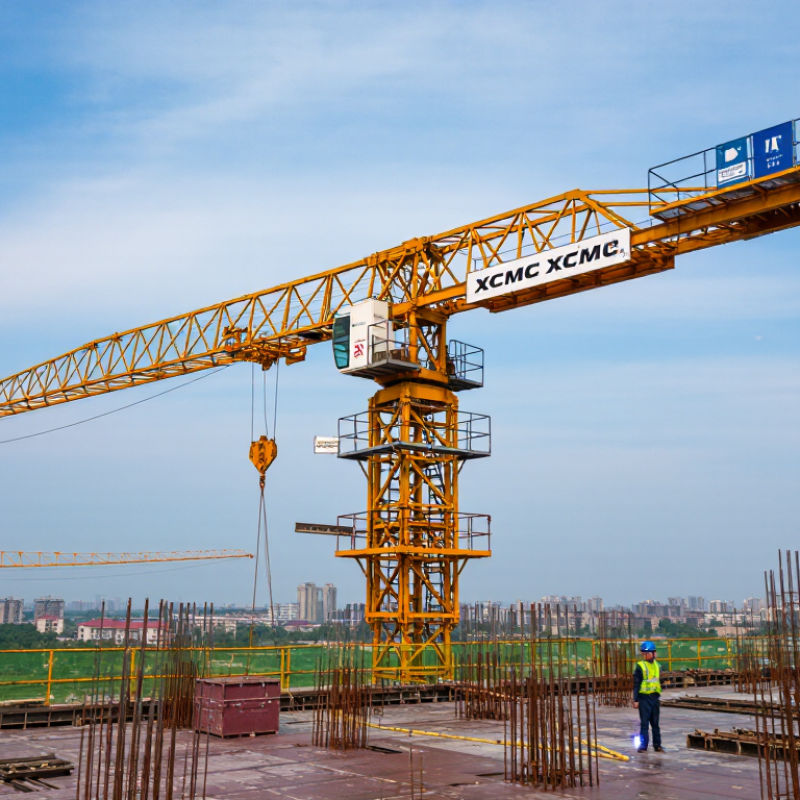
A used tower crane should be selected around the lift, not the advertised maximum capacity. Write down the heaviest load, its pick-and-place radius, and the required hook height. Include the lifting beam, rigging, and other gear in the load estimate. A 10-ton load near the mast is not the same lift at the jib tip. Radius changes capacity sharply.
Tips: Ask for the load chart matching the crane’s exact model and configuration. Check jib length, counterweight, reeving, and any listed operating limits. Do not guess. If the chart is missing or unreadable, pause the purchase until a qualified technician verifies the correct documentation.
Compare the planned lift with the chart at the actual working radius, allowing for positioning errors and changing site conditions. Then inspect records and hardware for signs that the crane matches that configuration. Look for altered counterweights, damaged wire rope, leaking cylinders, and unreadable capacity markings. A chart for a similar model is not enough. I have seen small configuration differences complicate a seemingly straightforward comparison; it is easy to overlook one. Ask an independent crane inspector to confirm the setup and review the lift plan before committing.
Before paying, match the crane’s serial plate to its build sheet, not just the sales listing. Photograph the plate in clear light, then compare the serial number, model, year, and rated configuration across documents. Check mast sections, jib length, trolley, hoist, and counterweights against the approved configuration. A swapped component can change capacity. Small mismatches matter.
Ask for dated service records, inspection findings, repair invoices, and operating-hour readings. Compare meter readings with service intervals; look for unexplained gaps, repeated component replacements, or handwriting that changes between entries. The U.S. Bureau of Labor Statistics’ 2023 Census of Fatal Occupational Injuries recorded 1,075 fatal work injuries in private construction. That figure is not crane-specific, but it underscores why paperwork should support—not replace—an independent inspection. Have a qualified crane engineer verify the records and inspect structural joints, ropes, brakes, and controls before purchase. Records can be incomplete. That uncertainty deserves a price adjustment, or a pause.
Before buying a used tower crane in 2026, inspect its critical systems in good light and without rushing. Start at the mast joints. Look for missing bolts, damaged threads, fresh paint around connections, or metal dust near bearing surfaces. A clean coat is not proof of sound structure. Compare bolt condition and tightening records with the crane’s approved maintenance documents; do not guess at torque values. Check mast sections for bends, cracks, and mismatched parts. Small details matter. Ask for inspection and repair records, and investigate gaps rather than accepting verbal assurances.
At the slewing gear, examine the ring gear teeth for uneven wear, chipped edges, and dried or contaminated lubricant. Rotate the structure slowly and note unusual knocks or changes in resistance. Test the hoist through several speeds, listening for grinding and watching for jerky movement or brake drift. Inspect wire ropes along their full accessible length for broken wires, flattening, corrosion, kinks, or crushed spots. Check drums and sheaves too; rope wear can point to alignment problems. Take your time. A brief test may miss faults. Have a qualified crane inspector assess uncertain findings before purchase, especially when records are incomplete. I would not treat a smooth test run as a clean bill of health; hidden wear can remain.
When evaluating a used tower crane in 2026, check the OSHA citation carefully. Section 1926.1412(d) covers inspections before each shift, not annual inspections. The annual comprehensive inspection is covered by 1926.1412(f) and must occur at least every 12 months. That distinction matters. Ask for the latest signed inspection report, the crane’s identifying details, inspection date, findings, and evidence of completed repairs. Match the serial number on the report to the crane’s identification plate. A tidy binder can still belong to another machine.
The U.S. Bureau of Labor Statistics’ 2023 Census of Fatal Occupational Injuries recorded 1,075 fatal work injuries in construction; that figure does not isolate crane incidents. Treat it as context, not proof of a specific crane’s risk. During a walk-around, compare inspection notes with visible details: wire-rope wear, corrosion near bolts, damaged limit switches, or fresh paint around repaired welds. Ask a qualified person to assess anything unclear. I would not treat a missing inspection file as a minor paperwork gap. A machine can look ready and still have unresolved defects.
A low purchase price can hide expensive work. For a used tower crane, price repairs, transport, erection, and load testing before comparing offers. Ask for maintenance records, inspection reports, and a clear list of included components. Missing pins, cables, or control parts can delay a project and increase costs.
Get a technician to inspect the structure, hoist, brakes, and electrical systems. Request written estimates for repairs, including parts and labor. Then confirm transport costs using the crane’s actual dimensions, weight, route, and required vehicles. A short distance may still be costly if components need special handling. Small details matter.
Erection costs depend on site access, ground preparation, crew time, and lifting equipment. Ask contractors to specify what their quote excludes. Load testing also needs a budget line: confirm the test procedure, required test weights, technician fees, and written results. Keep a contingency for defects found during assembly. It may feel overly cautious, but overlooking one worn component can disrupt the schedule. Compare the full cost with the crane’s expected service life, not just its asking price.
Illustrative first-year budget in USD. Actual costs vary with crane capacity, condition, distance, site access, and local inspection requirements.
Estimated total: $145,000. Include each cost in your purchase plan and obtain project-specific quotes before committing.
Match the serial plate with the build sheet and sales documents. Check the serial number, model, year, and rated configuration.
Compare mast sections, jib length, trolley, hoist, and counterweights. A swapped component can affect capacity.
Review dated inspections, repair invoices, and operating-hour readings. Look for unexplained gaps, repeated replacements, or changing handwriting.
Ask a qualified crane engineer to verify them and inspect the crane. Missing details may justify a price adjustment—or a pause.
Look for missing bolts, damaged threads, metal dust, bends, cracks, and mismatched parts. Fresh paint proves little.
Examine gear teeth for uneven wear or chipped edges. Check for dried lubricant, unusual knocks, or changing resistance during slow rotation.
Test several hoist speeds and watch for jerky movement or brake drift. Inspect accessible rope lengths for broken wires, corrosion, kinks, or flattened areas.
No. A short test can miss hidden wear. I might be overly cautious, but I would still request an independent inspection.
Buying an Xcmg Used Tower Crane in 2026 starts with matching the crane’s model, working radius, and intended duty to its rated load chart. Confirm that the chart applies to the crane’s actual configuration, and authenticate the machine by comparing serial plates with available configuration details and service records. Any mismatch or missing documentation should be resolved before purchase.
A thorough inspection should cover mast bolts, the slewing system, hoist, wire ropes, and other critical components. Check that required safety inspections are current and that the crane meets applicable requirements, including the relevant annual inspection interval. Finally, estimate the full cost of ownership—not just the purchase price—by allowing for repairs, transport, erection, and load testing. These checks help identify risks, establish a realistic budget, and support a safer, better-informed buying decision.